
Why Repetition Still Wins: How Brands Earn Trust Through Daily Visibility?
Last Updated: 16 April 2026
Key Points
- Repetition builds trust, with consistent brand exposure helping people recognise and feel confident choosing your business.
- Physical items like uniforms, mugs, and bags create long-term visibility by staying in everyday routines.
- We recommend consistent branding across products so repeated exposure strengthens recall and makes your brand feel established.
Modern marketing no longer rewards the loudest brand. It rewards the brand that shows up consistently, in the right places, without forcing attention. Twenty years ago, marketers talked about seven touchpoints to conversion. Today, depending on the category, that number can stretch well beyond twenty. Not because people are slower to decide — but because they’re exposed to more brands, more channels, and more noise than ever before.
In that environment, familiarity becomes a shortcut. And familiarity isn’t built by shouting. It’s built by being seen, repeatedly, in ways that feel natural. That’s where physical brand impressions — uniforms, corporate gifts, and promotional items — quietly outperform most digital tactics.
Podcast
We discuss all things B2C marketing and branding on our latest podcast.
https://www.buzzsprout.com/2501752/episodes/18354497
Not All Touchpoints Are Equal
- An Instagram ad sparks curiosity.
- A Google review builds reassurance.
- A retail shelf creates convenience.
But a physical brand impression — a uniform, a branded bottle, a tote bag, a notebook — does something different. It embeds your brand into someone’s real world. These impressions don’t interrupt. They coexist.
- A staff member wearing a branded polo at a community event.
- A client uses a branded mug every morning.
- A promotional item sitting on a desk for months, not seconds.
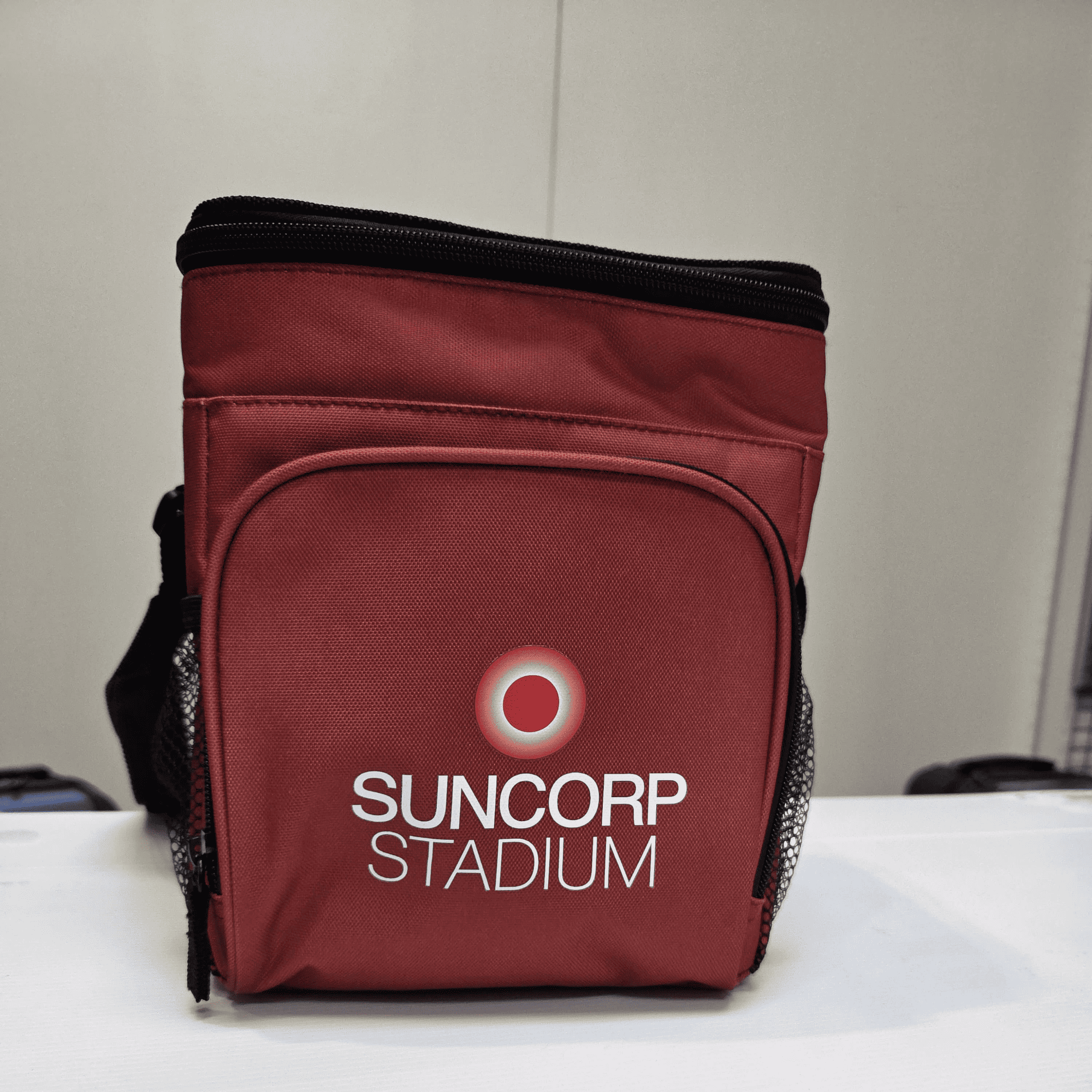
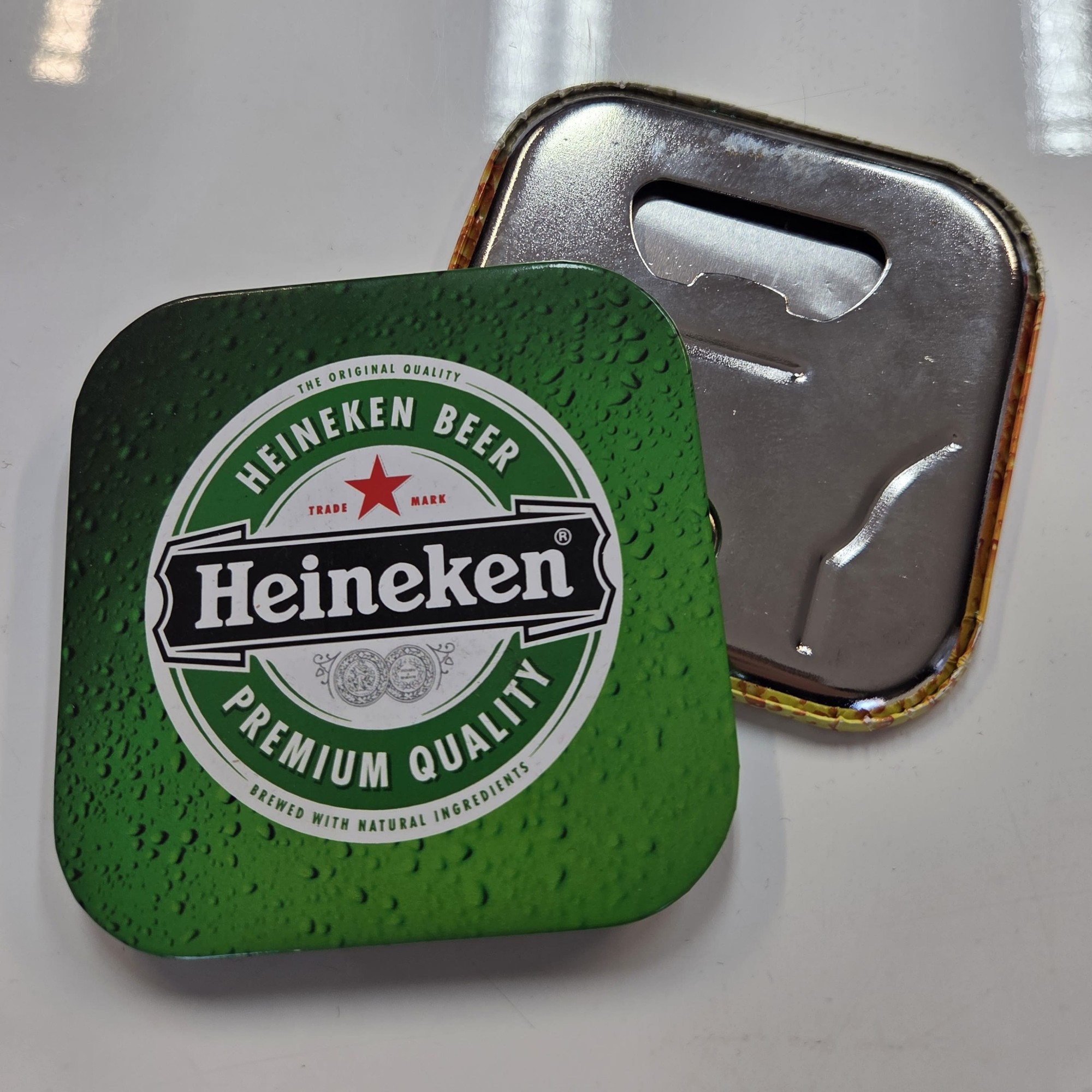
Each one reinforces recognition without demanding attention. About 81% of consumers say they need to trust a brand before buying, yet price can override caution when risk feels low.
The Role of Repetition in Trust
Trust doesn’t usually arrive as a single “yes” moment. It accumulates. Research consistently shows that most buyers want to feel familiar before they commit. They don’t need to love your brand — they just need to recognise it and feel confident it’s legitimate.
Repeated exposure does three things:
- reduces perceived risk
- increases recall
- makes your brand feel established, even if it’s not
Uniforms are especially powerful here. When people see the same logo, colours, and presentation across multiple staff, locations, or events, the brand feels organised and credible. That consistency does work that ads often can’t.
Uniforms: The Most Underrated Brand Impression Tool
Uniforms aren’t just clothing. They’re mobile brand signals. Every time your team:
- attends an event
- works in public-facing roles
- participates in community days
- travels between sites
Your brand gets exposure that feels authentic and earned and unlike ads, they don’t disappear when the budget pauses.
Uniforms create:
- visual consistency
- instant recognition
- professional reassurance
Shop Polo Shirts here
Shop Tee shirts here
Shop Hoodies here
Promotional Items: The Long Game of Visibility
Promotional items win because they stick around. A pen might last months. A drink bottle might last for years. A tote bag might travel across suburbs, offices, and events. These items don’t rely on algorithms. They don’t compete for attention. They simply exist — quietly reinforcing your brand name over time.
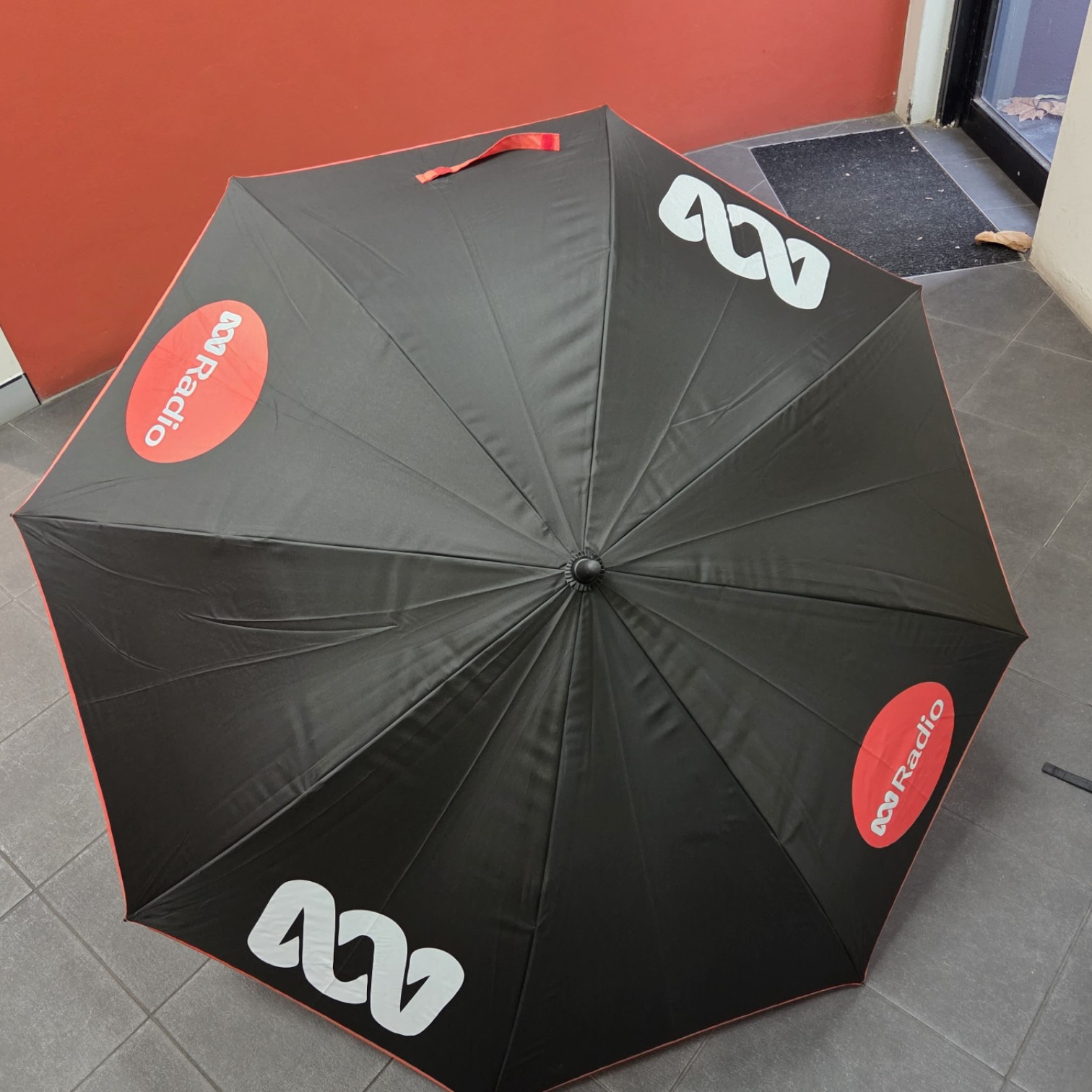
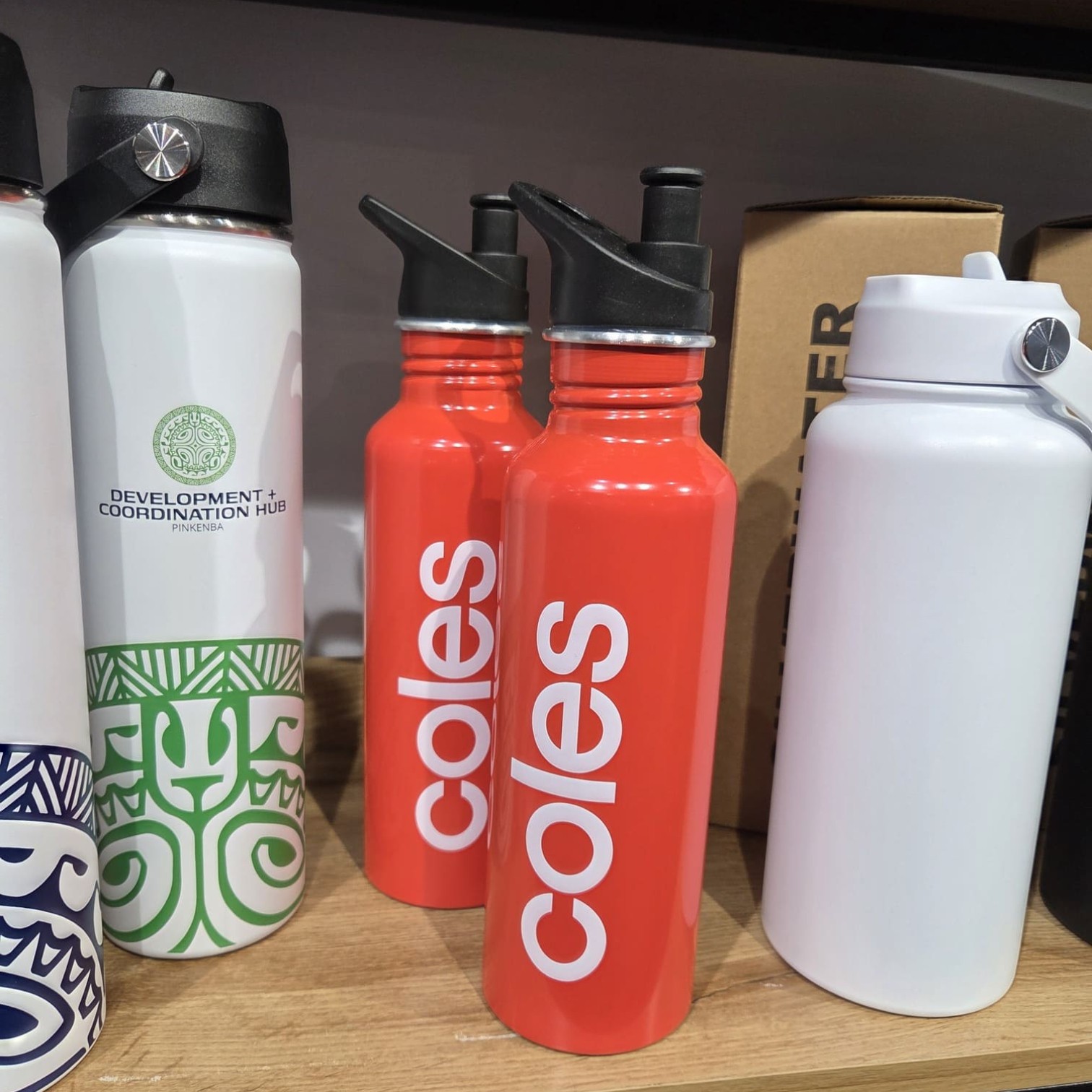
This is especially effective for organisations that need to build awareness gradually, such as councils, not-for-profits, education providers, and growing businesses.
Shop Notebooks here
Shop Umbrellas here
Shop Drink Bottles here
Corporate Gifts: Trust Accelerators, Not Giveaways
Corporate gifts work at a different stage of the journey. They don’t introduce a brand — they strengthen a relationship.
A well-chosen gift:
- reinforces appreciation
- signals quality and thoughtfulness
- keeps your brand visible in a positive context
When a client repeatedly sees your logo attached to something useful or enjoyable, it creates a positive mental shortcut: “These people are solid.” That matters when the next purchasing decision arrives.
Shop Gift Boxes here
Shop Luxury Pens here
Shop Audio Speakers here
Visual Consistency Beats Novelty
Colour and design play a bigger role than most businesses realise. Consistent colour use alone can significantly improve recognition. But consistency only works if it’s applied everywhere — uniforms, merchandise, packaging, and gifts included.
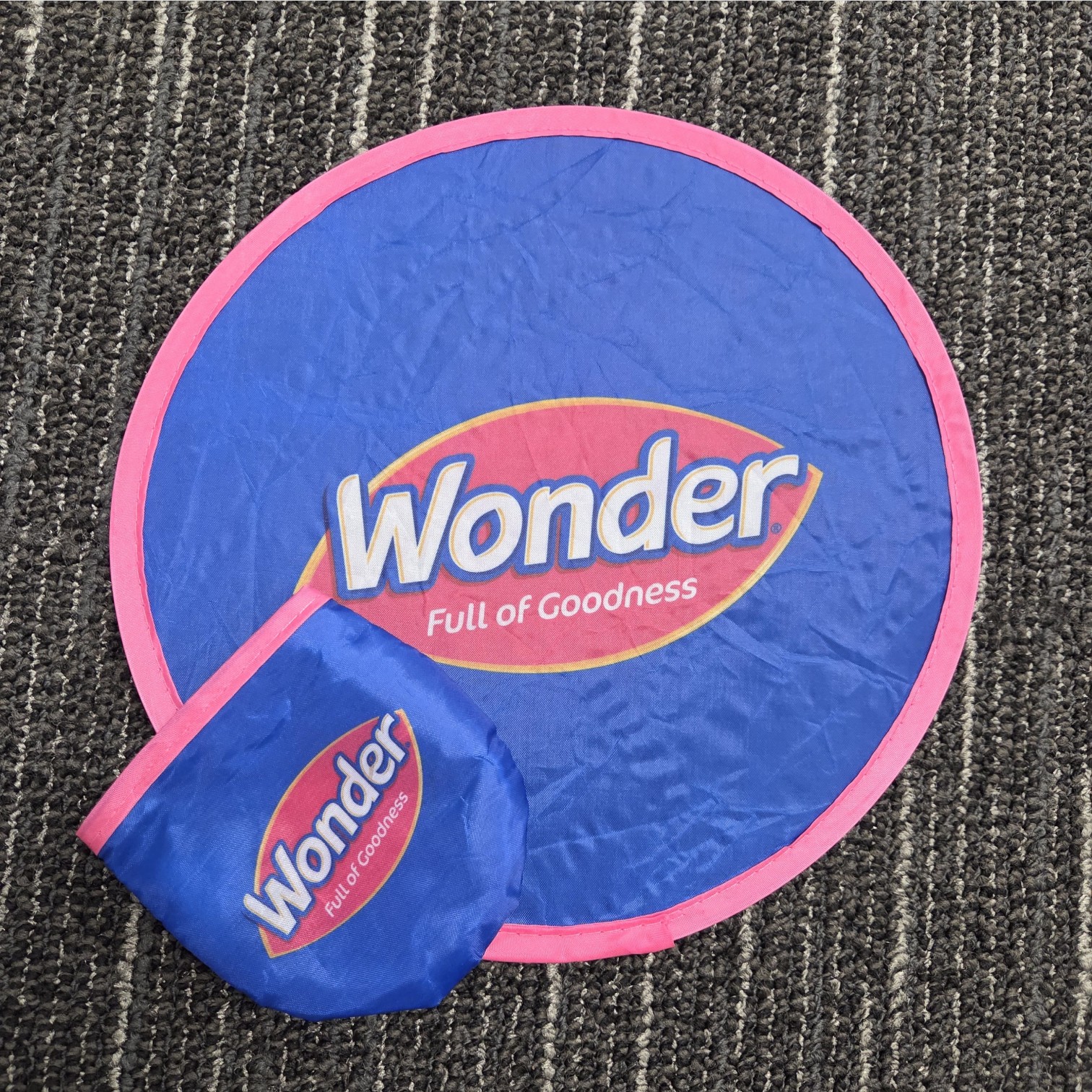
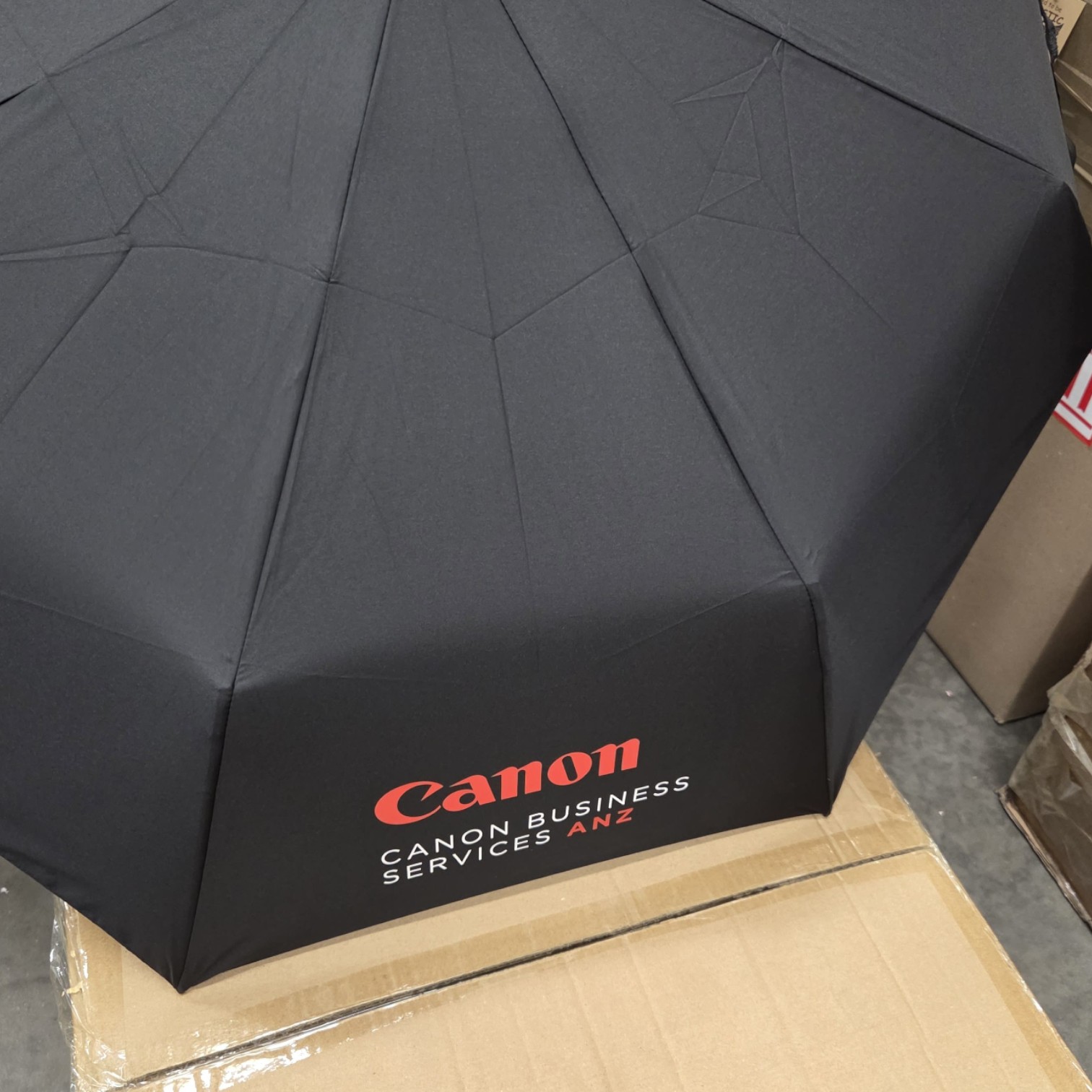
Frequent redesigns or wildly different executions across products dilute recall. The goal isn’t to surprise every time. It’s to be recognisable every time. In physical environments — crowded events, busy streets, shared workplaces — clarity beats cleverness.
So, where does trust come from (In My Opinion)
Most people don’t recall a brand the first time you seem them. I cannot recall a pen handed out at a tradeshow I used to sign up at the registration booth. But the reusable bottle I got from a conference? I still use it until now. When a physical item is reused, the recipient pays more attention to your brand: the giver. It’s not one big moment that builds trust. It’s the repetition that happens quietly in the background. When a brand keeps showing up in normal, everyday situations, it starts to feel familiar.
Why Physical Impressions Still Matter in a Digital World?
Digital marketing creates awareness fast. Physical branding builds memory slowly — and that’s its strength.
- A social ad might earn a click.
- A uniform earns recognition.
- A promotional item earns familiarity.

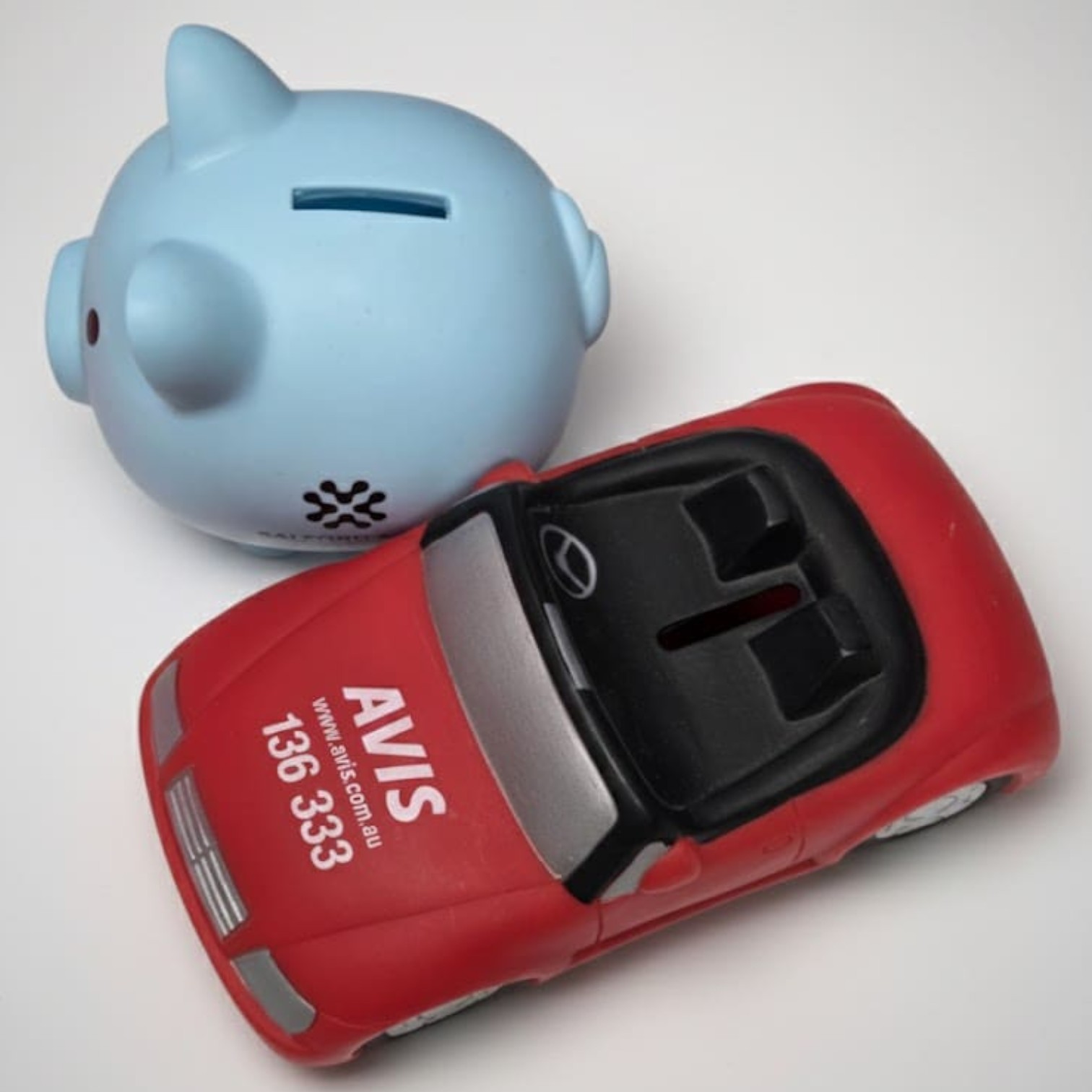
When these work together, the buyer journey feels shorter, smoother, and less risky. People don’t always remember where they first saw a brand. They know they’ve seen it before — and that’s often enough.
The Brands That Win Don’t Shout — They Show Up
The brands that convert most easily are rarely the most aggressive. They’re the most present. They show up:
- on people, not just screens
- in everyday routines
- in workplaces, not just feeds
Uniforms, corporate gifts, and promotional items aren’t outdated tactics. They’re compounding assets — quietly reinforcing your brand name until familiarity turns into trust. And when trust is already there, buying becomes easy.