How Can a Young Brand Look Like It’s Been Around for Years?
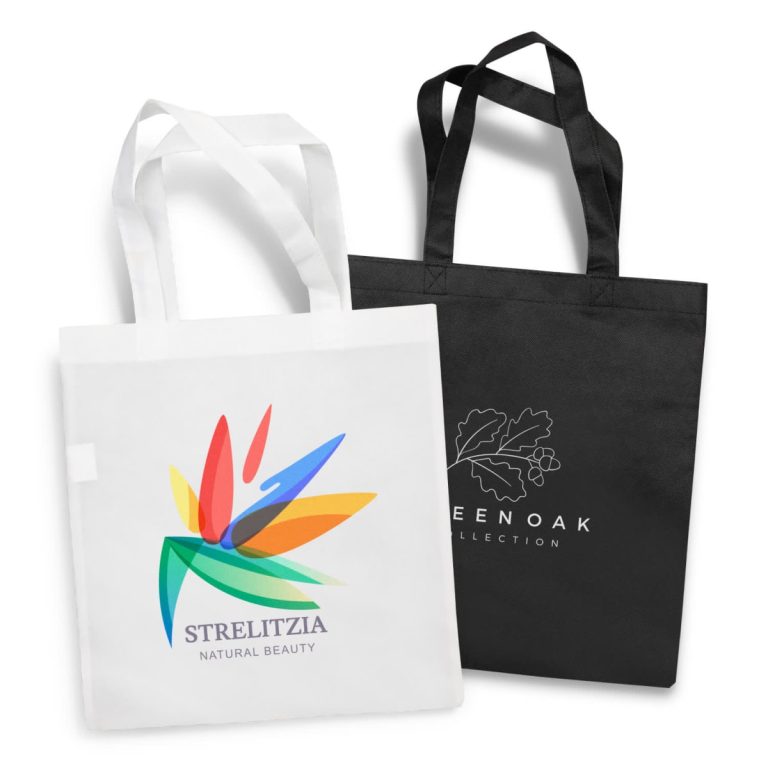
When a brand is established, customers are likely to flock to it and trust it even when it just opened a new store in the area. While you can’t buy a 20-year history, you can create the visual cues that people connect with an established brand. Here are some patterns our account managers notice in young brands that look confident and established, as well as habits that make a business seem new.
Making a Brand Read Established
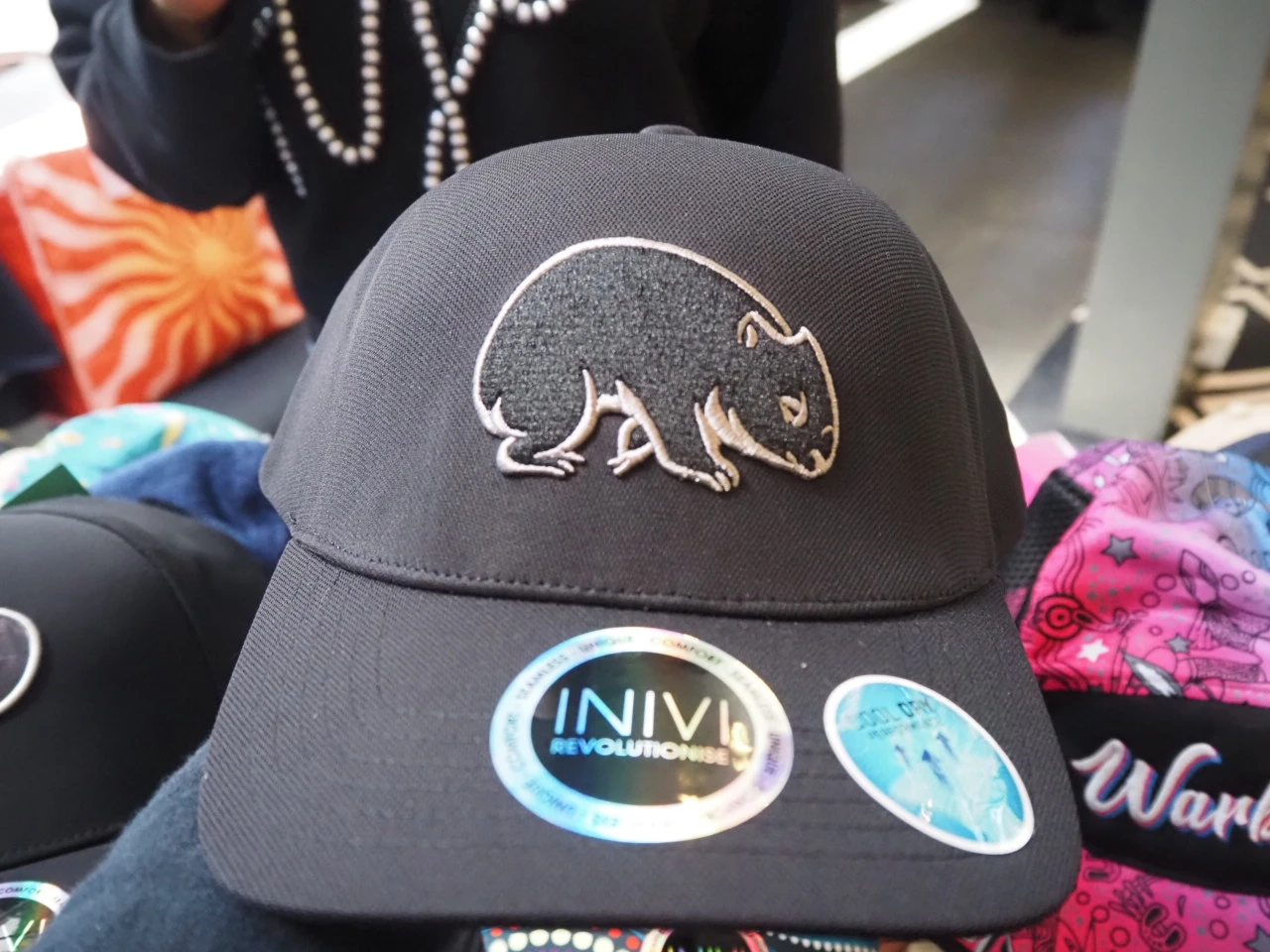
Customers form an impression of your business in just a few seconds. The table below highlights the signs people see as maturity, and how merchandise can help send those signals.
Six Ways to Build an Established Look
1. Lock Down Your Brand Basics First
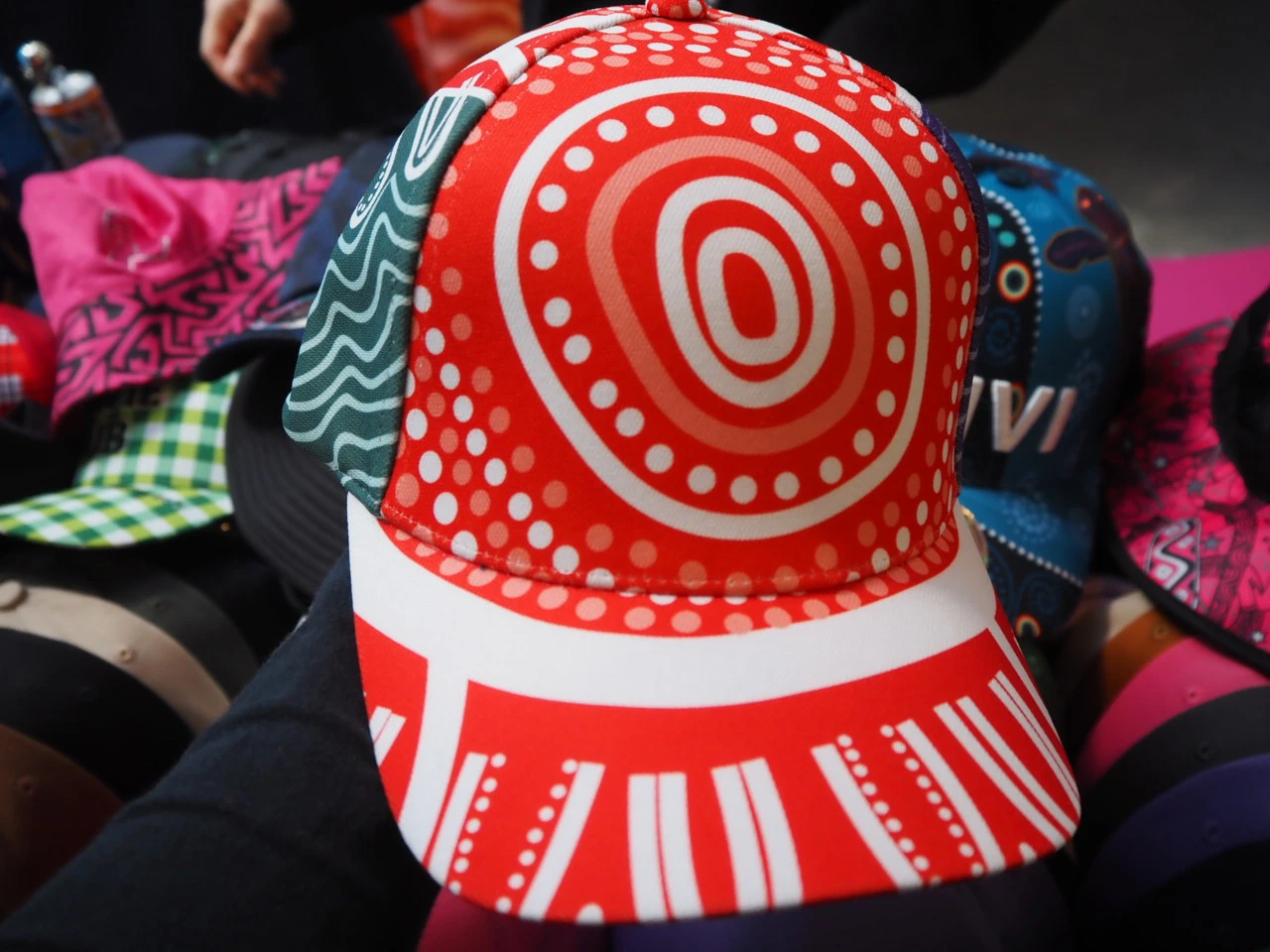
Before you order anything, make sure you have your logo files, exact colour codes, and the minimum clear space around your logo ready. If your logo looks different on each item, your brand will quickly look inconsistent. A simple brand kit helps every supplier start from the same place. Have these three things ready before your first order:
- Keep vector logo files (AI, EPS, or PDF) ready to send
- Record your Pantone references for print and thread colours for embroidery.
- Create a one-colour and a reversed version for dark products.
You may also check our Artwork Requirements section for a detailed guide.
2. Match the Decoration Method to the Product
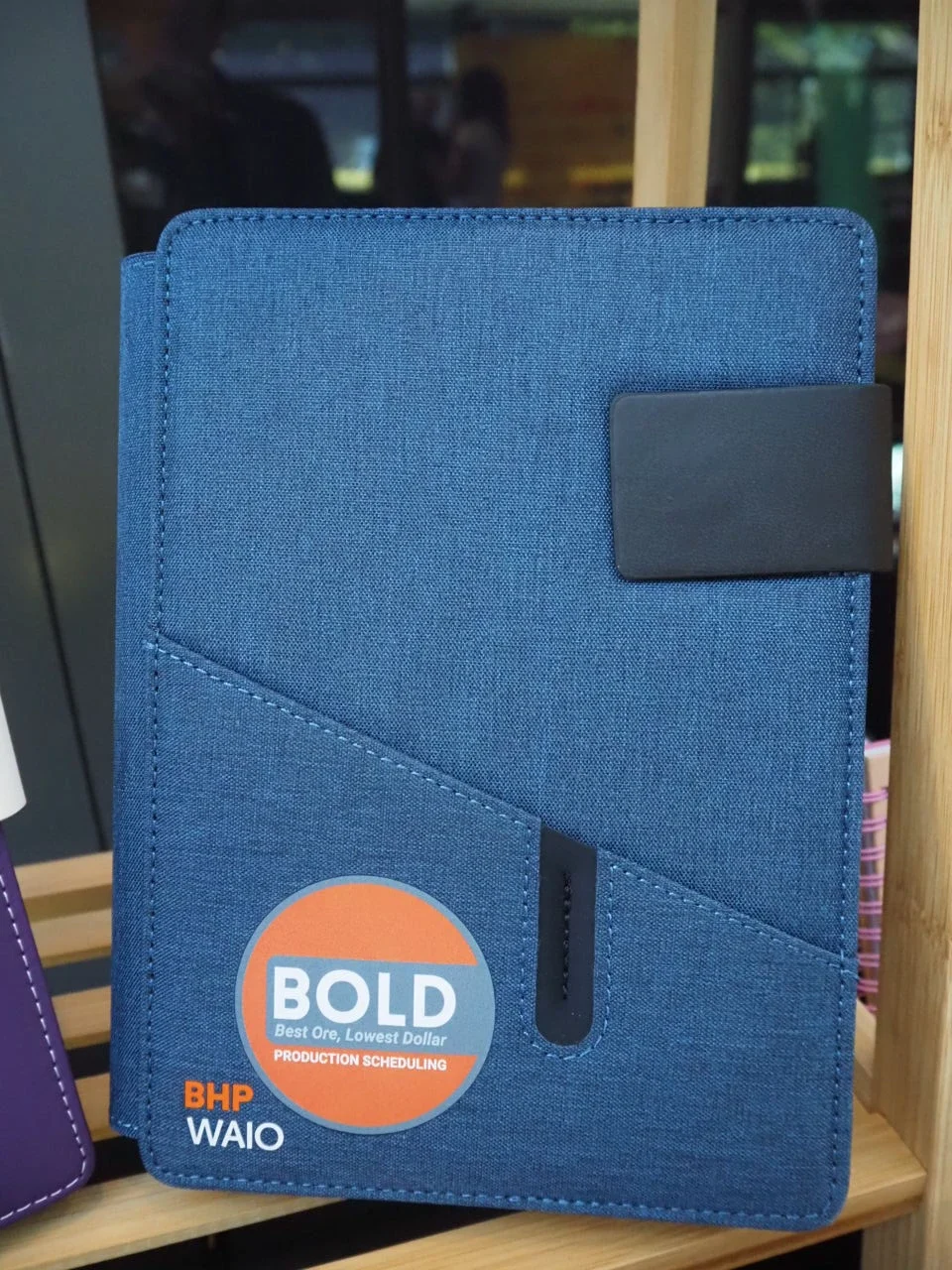
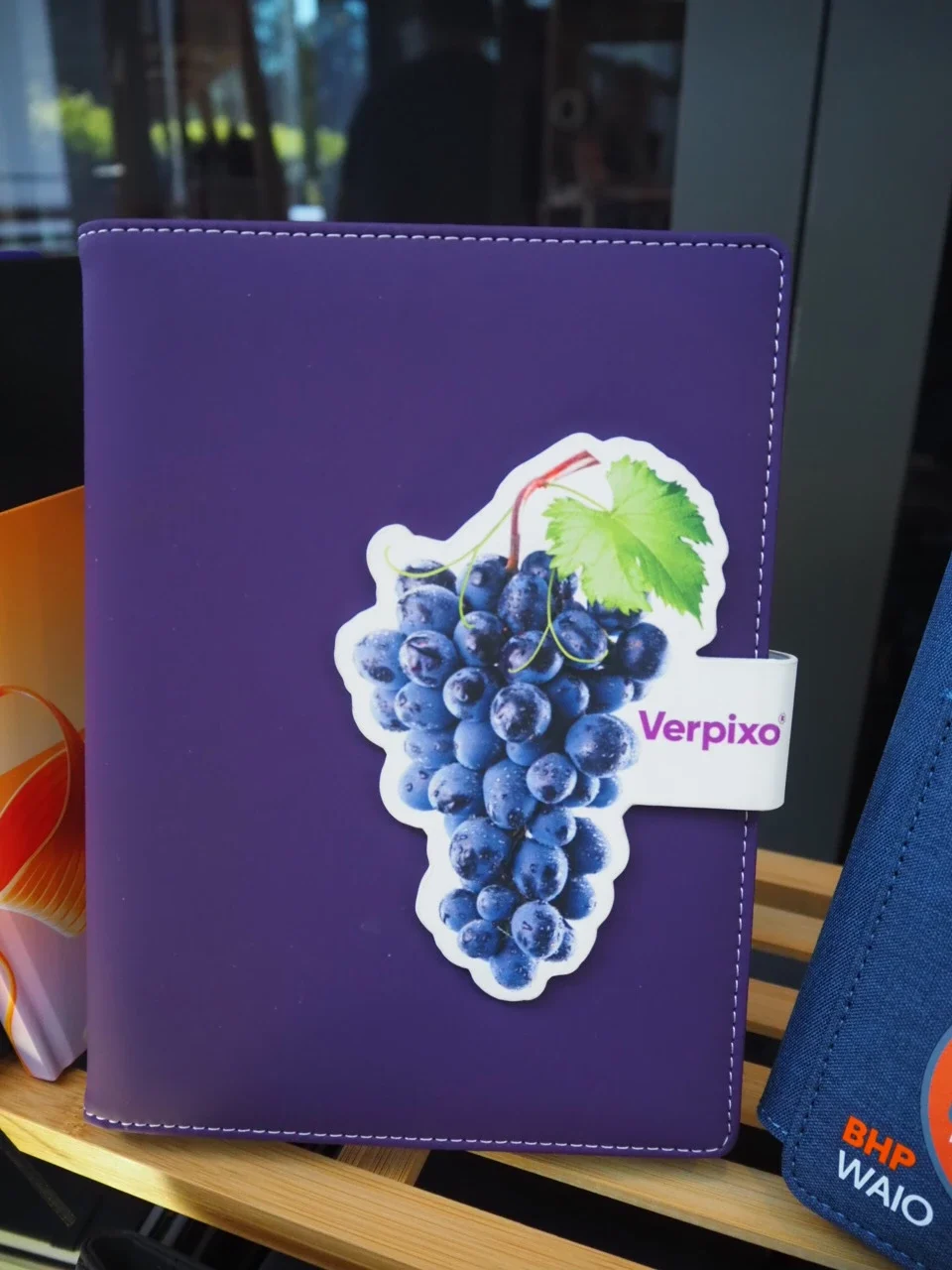
Charles Liu, our co-founder, points out that the same logo can look high-quality or cheap depending on how it’s applied. Different materials work best with different branding methods, so the right choice depends on the product.
3. Put Your Team in a Consistent Uniform
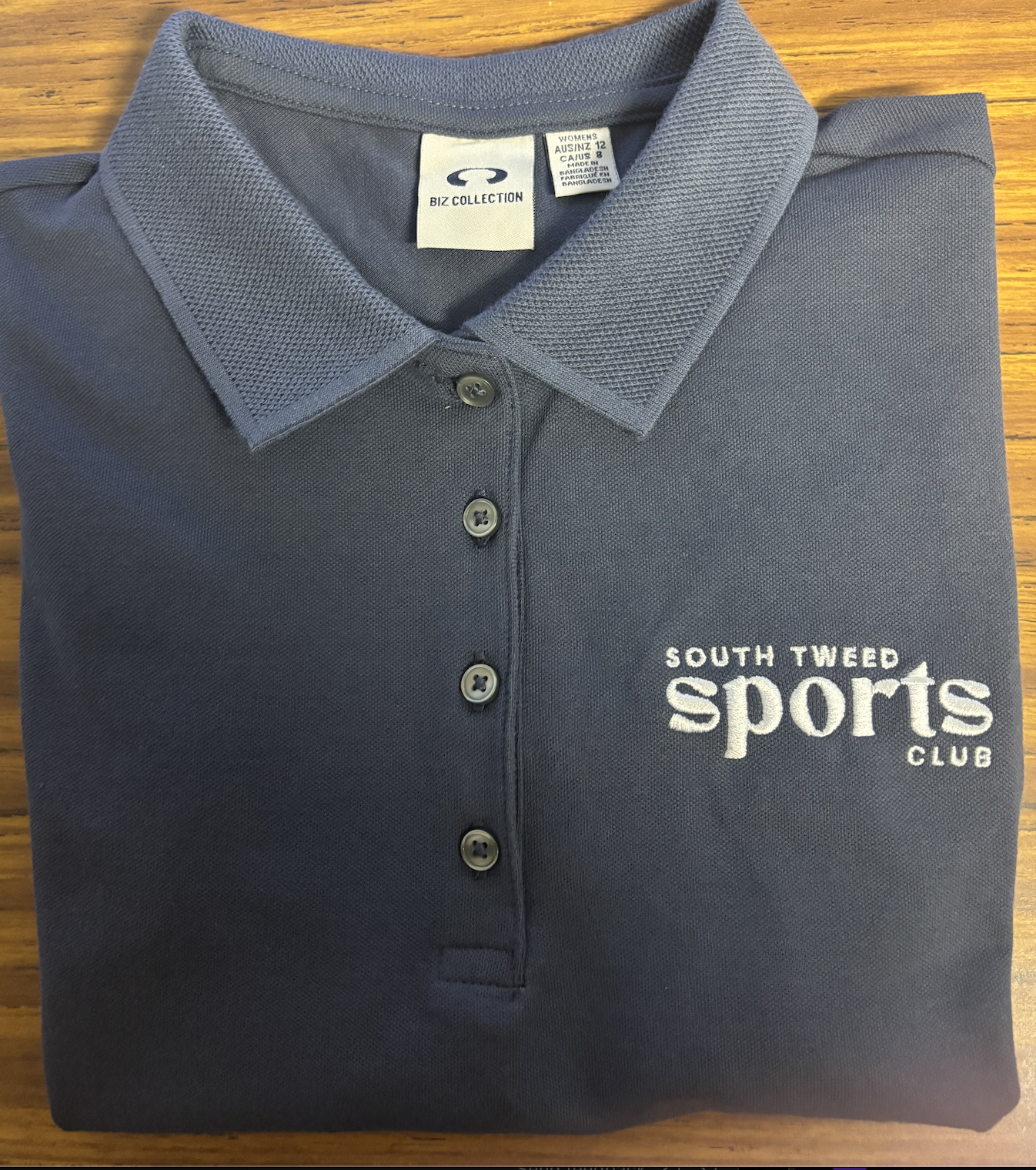
A uniform helps a small team look organised and professional. Regina Mangubat, one of our account managers who has handled uniform orders, finds that matching outfits are often the biggest step a growing brand can take to look established. She suggests you pick a main colour palette, one logo placement, and a fabric your staff will want to wear. Then, reorder the same styles so new hires match the team.
4. Choose Fewer, Better Items
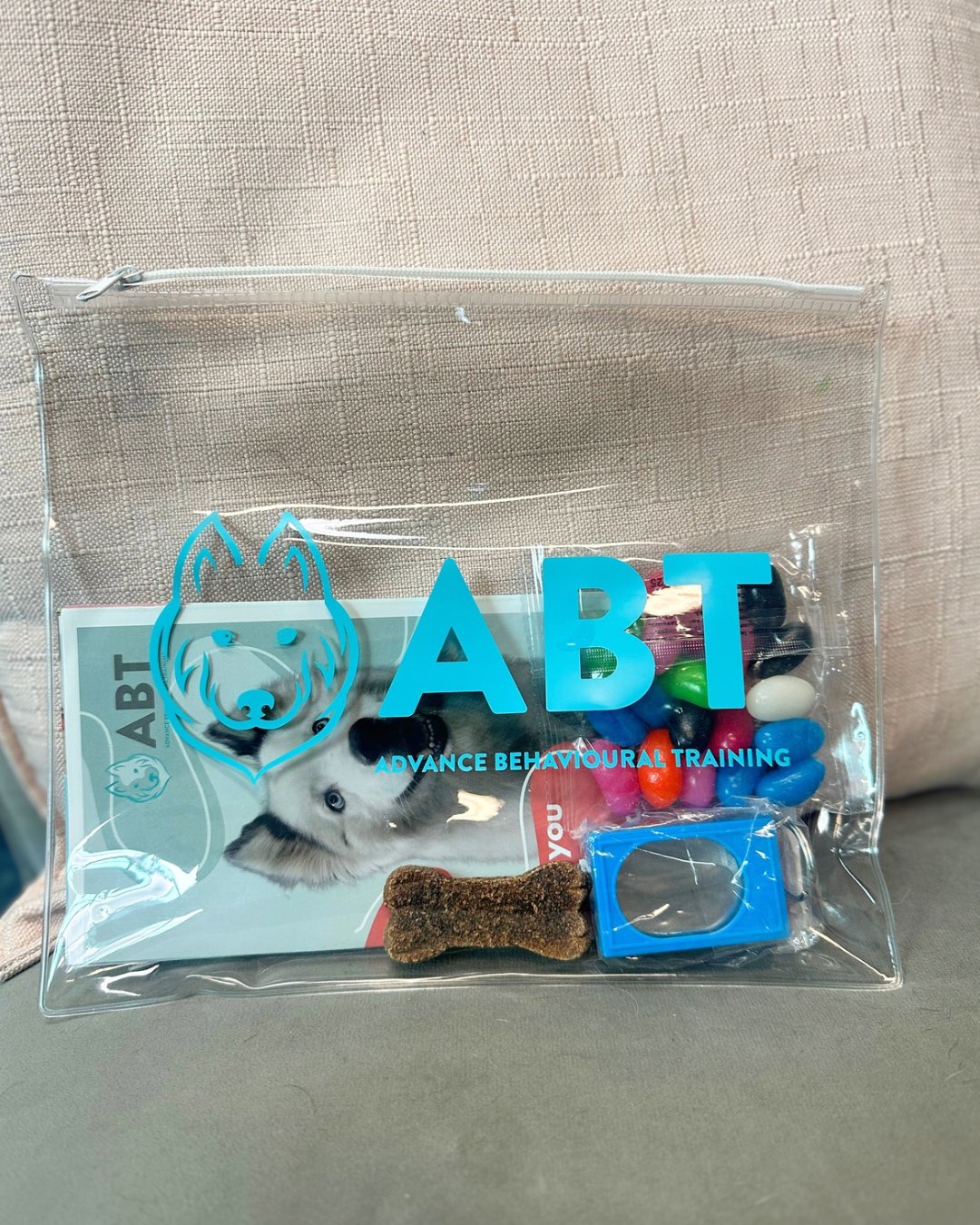
Established brands don’t usually give out lots of cheap freebies. Instead, they pick a few useful items that people want to keep. Ariane Milarpez, one of our account managers, is a product expert who matches items to the audience. She recommends choosing products that fit your customers’ lifestyles and work habits, instead of just looking for the lowest price.
5. Build a Signature Item
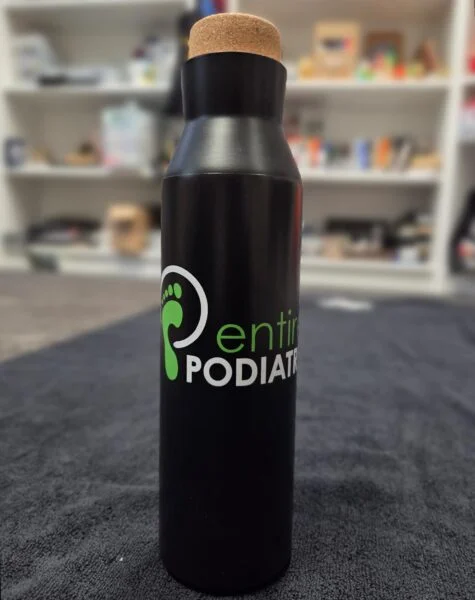
Choose one product that people will associate with your brand, like a certain bottle, notebook, or cap in your brand’s colour. Reorder it each year so clients start to recognise it right away. Repeating the same item builds a sense of history. If a client has three of your notebooks from different years, they’ll assume your business has been around for a while.
6. Present Everything with Care
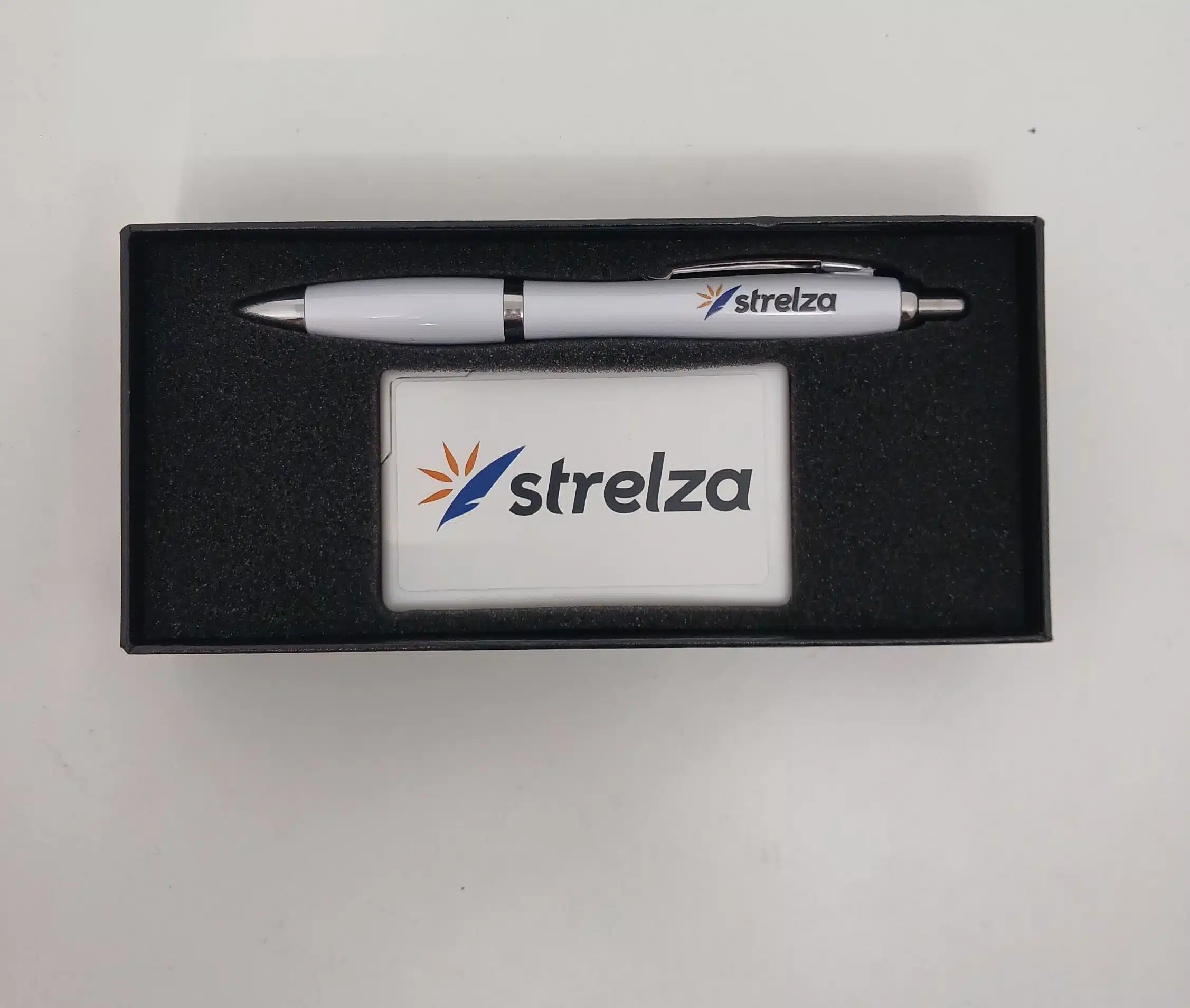
How you present your products shows maturity just as much as the products themselves. Mary Aguirre-Cruz, one of our account managers, focuses on matching products to a client’s branding, budget, and purpose, including how items are packed and delivered. Small presentation choices often decide whether a gift feels thoughtful or generic. These habits help your merchandise arrive looking like it’s from an established business:
- Use branded or neat neutral packaging for client gifts.
- Pre-pack welcome or event kits so they arrive ready to hand out
- Include a short card explaining why you chose the item.
Where to Spend First
You don’t need a large budget to look established. Focus your spending where customers see you most, then expand from there.
Mistakes That Make a Brand Look New
Most of these mistakes happen when you rush or change direction mid-project.
- Oversized logos. A logo covering half the product looks promotional, not premium.
- Too many colours. Stick to your core palette across every item.
- Choosing the cheapest products. For example, a pen that breaks after a week leaves a bad impression of your business.
- Changing designs every order. Each new look resets the recognition you’ve built.
- Last-minute changes. Shealeigh Keeney, one of our account managers, notes that post-sign-off changes often lead to rushed results.
- Mismatched uniforms. New hires in a different style undo the team look.
Quick Questions
- What’s the best first merchandise item for a new business? For most, it’s staff apparel. Every customer sees it every day, and it helps a small team look organised.
- Is embroidery worth the extra cost? For apparel and caps, it usually is. Embroidery lasts longer than many print methods and looks higher quality.
- How often should you reorder branded items? Reorder your signature items regularly, like once a year. Keeping the same design helps build recognition over time.
- Can a small order still look premium? Yes. Picking a quality product and the right decoration method is more important than the size of the order.
Ready to Make Your Brand Look Established?
Send us your logo, budget, and how you plan to use your merchandise, and our account managers will suggest products and branding that fit your needs. Just call 1300 858 288 to get started with your branded merch!
Ready To Buy?