
Microfibre Cloths: Cleaning, Care & Buying Guide
Last Updated: 28 September 2026


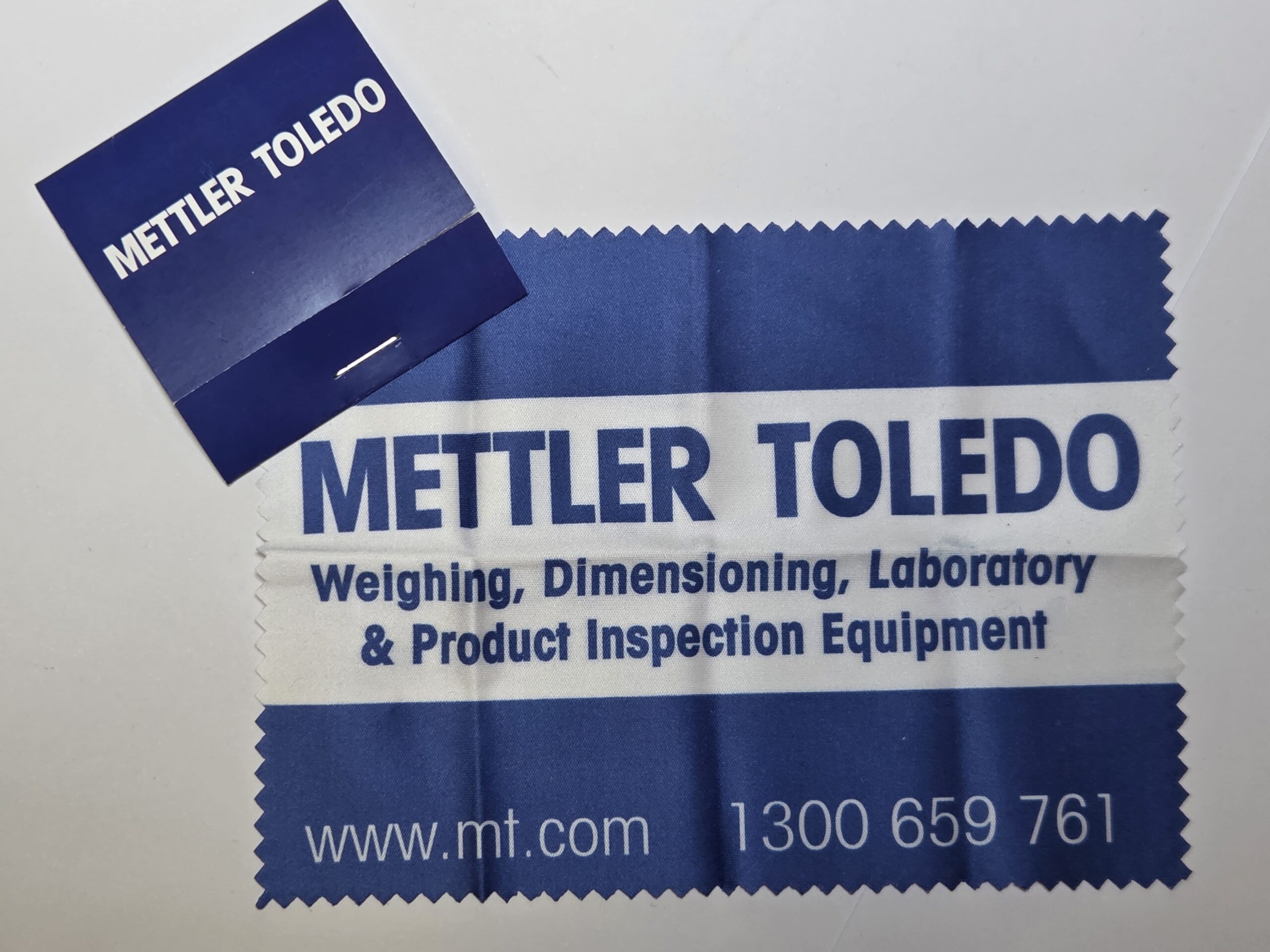
Microfibre cloths are one of the branded merch items from our range that you see get used and reused. They’re cheap to produce, easy to brand in full colour, and solve a problem almost everyone has keeping phone, laptop, and glasses screens clean. This guide covers how microfibre cloths actually work, why they perform so well as branded merchandise, and how to keep them clean and effective for as long as possible.
Why Microfibre Cloths Clean So Well
Microfibre is a synthetic material, typically a blend of polyester and polyamide, engineered so each strand is far thinner than a human hair. That fineness is the whole point. Thinner fibres create more surface area and smaller gaps between strands, which lets the cloth trap dust and debris that a standard cotton cloth would push around rather than lift away. The result is a cloth that cleans faster, picks up more, and needs less pressure to get the same result.
Why It Works So Well as Branded Merchandise
Many Australians have a genuine, ongoing reason to reach for one of these cloths. The Australian Institute of Health and Welfare has found that nearly half of Australians wear glasses or contact lenses, plus the near-universal use of phone and laptop screens across workplaces. That combination makes a microfibre cloth relevant to almost every recipient, not just a niche subset.
A few practical qualities make it a strong choice for a bulk order.
- Genuinely useful, rather than a novelty item that gets set aside after one use
- Lightweight and cheap to freight, which matters for large-scale distribution or mail-outs
- Long-lasting compared to printed paper items like brochures or flyers, which tend to get thrown out quickly
- Suited to full-colour, edge-to-edge branding via sublimation printing, giving far more creative freedom than a simple logo
Getting the Branding Right
The polyester content in microfibre makes it well suited to full-colour sublimation printing, where the design is infused directly into the fibres rather than sitting on top as a layer of ink. This allows for photographic-quality images or detailed graphics across the entire surface of the cloth, rather than a small, printed logo in one corner. It’s one reason microfibre cloths tend to look more premium than their low unit cost would suggest.
Locally produced cloths, decorated in Australia rather than overseas, also tend to offer a more refined cut and finish, along with a much faster turnaround than international shipping, which matters when an order is tied to a specific event date.
Who Order These in Bulk
A few sectors consistently order microfibre cloths in volume, largely because the item suits their audience’s daily habits.
- Banking and financial services organisations, often handed out as a small gift at client appointments.
- Universities and education providers, commonly included in orientation week welcome packs for new students.
- Mining, engineering and resources companies, where staff and site visitors regularly use phones and screens in the field
- Conferences and industry events, where cloths are a practical, lightweight addition to a delegate pack
- Any organisation with client-facing appointments, since the cloth gives recipients a reason to keep and reuse the item rather than file it away.
Larger formats, up to tea-towel size, are also worth considering for a more substantial gift or event prize, rather than defaulting to the standard small cloth.
Caring for Microfibre Cloths
Microfibre cloths need regular cleaning to keep performing well. Once the fibres pick up too much oil or grime, they lose their ability to trap new dust and can start smearing rather than cleaning.
A few extra tips worth passing on to recipients or including in a care note
- Avoid fabric softener, since it leaves a residue that reduces the cloth’s ability to trap dust.
- Wash microfibre separately from lint-producing fabrics like towels, since it can pick up lint from other items in the wash.
- Store the cloth somewhere clean and dry between uses, rather than leaving it loose in a bag where it can pick up dust and debris.

A Note on Pre-Moistened Wipes
Some organisations also order pre-moistened screen wipes alongside or instead of reusable cloths. If that’s part of your order, confirm the formula is alcohol-free, since harsh solvents can damage screen coatings and potentially void device warranties. It’s also worth checking that the formula won’t leave a residue film, which can interfere with touchscreen sensitivity over repeated use.
Our Suggestions
Regina Mangubat, one of our account managers who has worked with clients like this, noticed that organisations get the best value from a microfibre cloth order when they treat the design as a real opportunity rather than a simple logo placement, since a genuinely well-designed cloth tends to get kept and used for years rather than tossed aside after one wipe-down. Investing a bit more thought into the artwork upfront pays off in how long the item stays in circulation.
Choosing a Cloth That Earns Its Keep
A microfibre cloth’s value comes from how often it’s used, which depends on getting the material, print quality, and design right from the start. Contact our team to discuss options for your next bulk microfibre cloth order.
Sources:
- Australian Institute of Health and Welfare (AIHW), 1 in 2 Australians affected by eye problems: https://www.aihw.gov.au/news-media/media-releases/2015/december/1-in-2-australians-affected-by-eye-problems-higher