
Notebooks vs Sticky Notes: Which Item Gets More Use?
Last Updated: 8 October 2026
Key Points
- Sticky notes are usually used more often in busy offices, workshops, and shared workspaces because people use them quickly for reminders, labels, and short notes.
- Notebooks tend to stay around longer and work better for meetings, onboarding packs, training sessions, and client-facing environments.
- Simple and subtle branding usually works best on both products because heavy logos and loud designs can make stationery feel less practical to use.
Notebooks and sticky notes are considered low-risk promotional products. They are familiar, easily branded, and typically accepted without internal objection. Consequently, these items are frequently selected for events, office distributions, training sessions, and staff packages.
However, a low-risk option is not always the most effective. Notebooks and sticky notes are used differently after distribution. If the objective is sustained and meaningful use rather than mere acceptance, the selection becomes significant. This analysis evaluates the actual usage patterns of notebooks and sticky notes in Australian workplaces and events, and identifies which item provides greater practical value in various contexts.
The difference between notebooks and sticky notes
At first glance, both notebooks and sticky notes address the need to record information. In practice, however, they support distinct user behaviours.
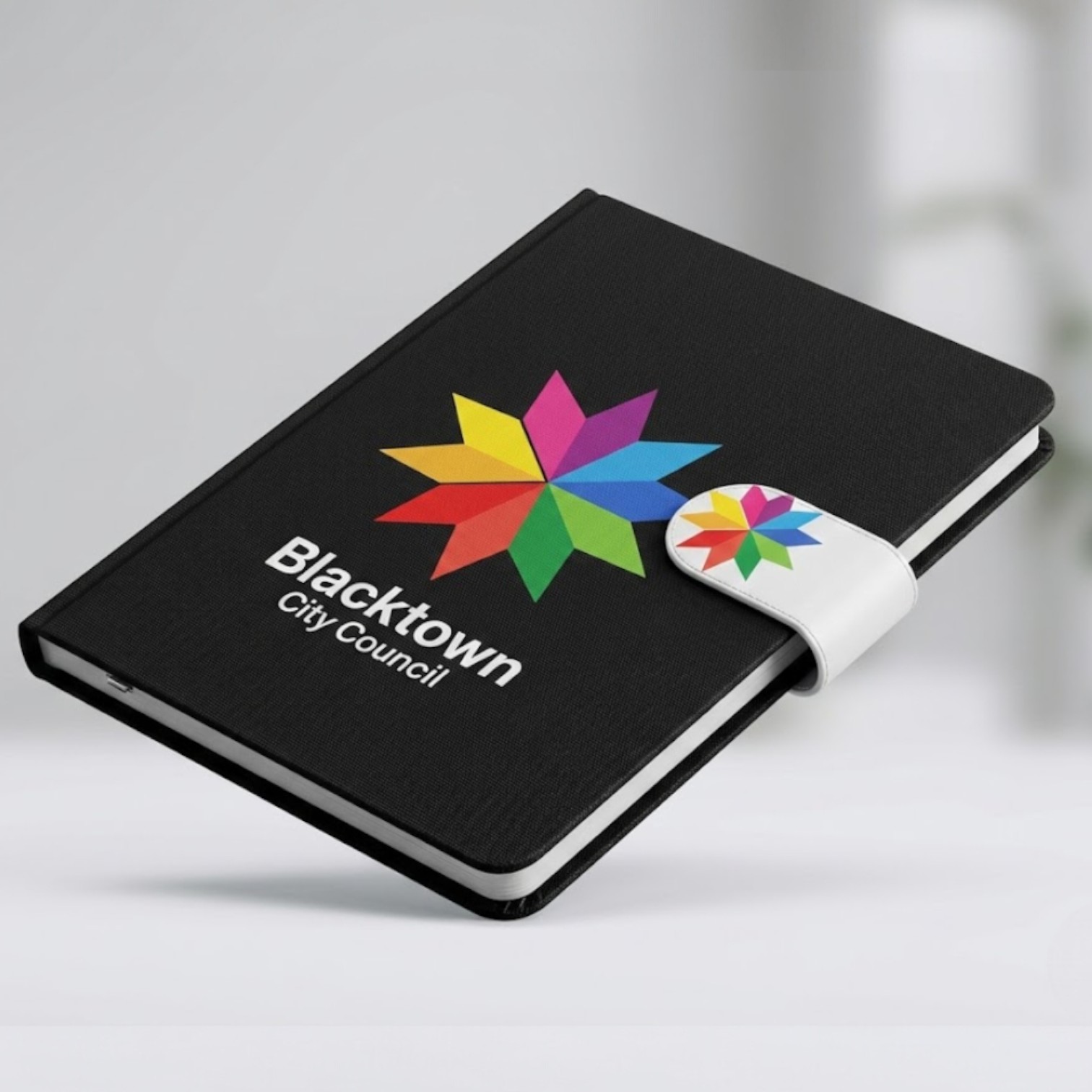
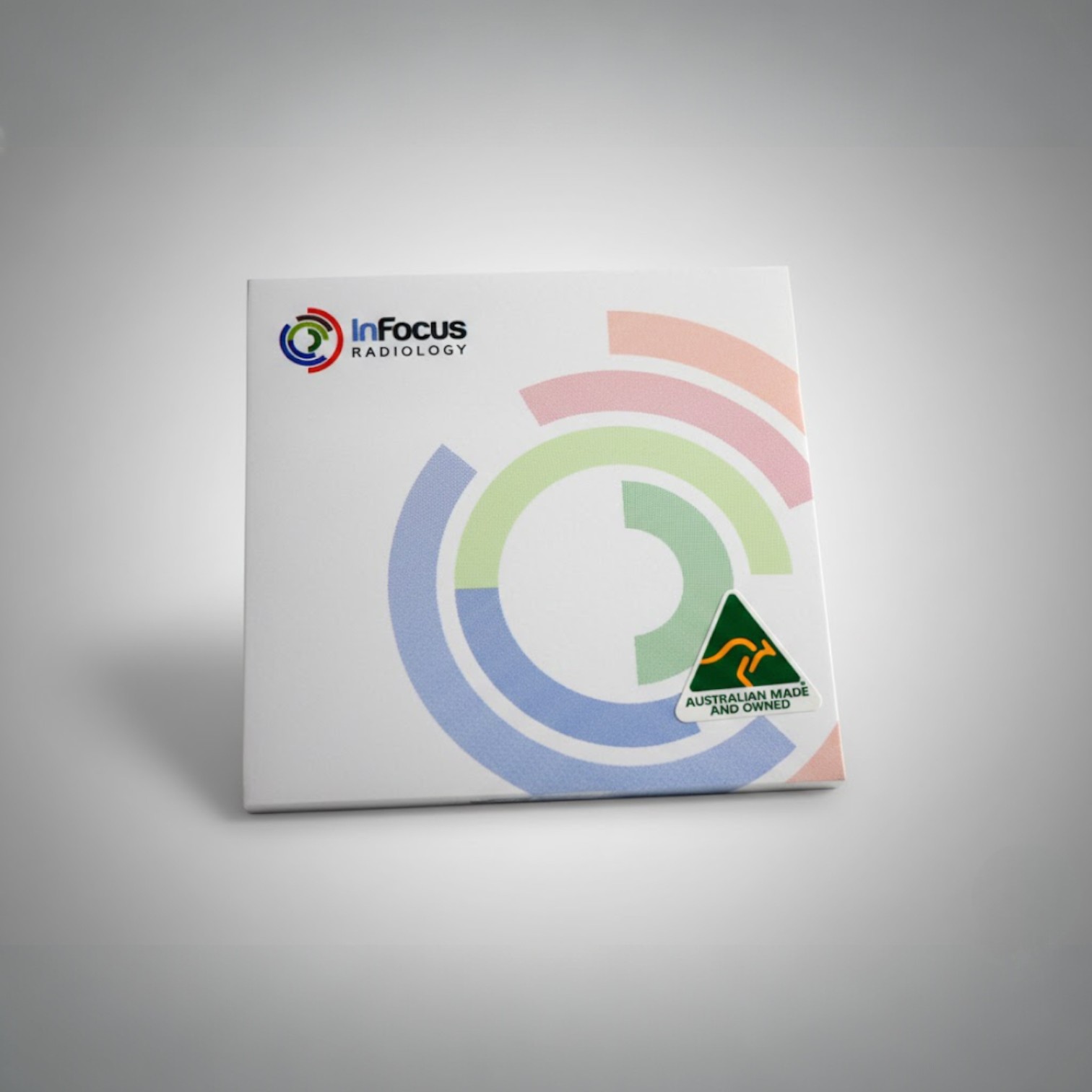
Notebook usage is typically intentional. Individuals choose to open them, bring them to meetings, or keep them on their desks for planning and note-taking. In contrast, sticky notes are used reactively, often in the moment, to remember, flag, label, or prompt, frequently without deliberate planning. This behavioural distinction significantly influences how each product is used.
Which one gets used more?
In most Australian office and event settings, sticky notes are used more frequently, while notebooks are retained for longer.
Sticky notes generate more interactions; a single pad can create numerous brand touchpoints in a week. Notebooks, by contrast, provide greater presence, remaining visible for extended periods and conveying a sense of substance, even if accessed less frequently. Therefore, the primary consideration is not which product is superior, but rather the specific type of usage desired.
A practical comparison buyers care about
Where do sticky notes clearly outperform?
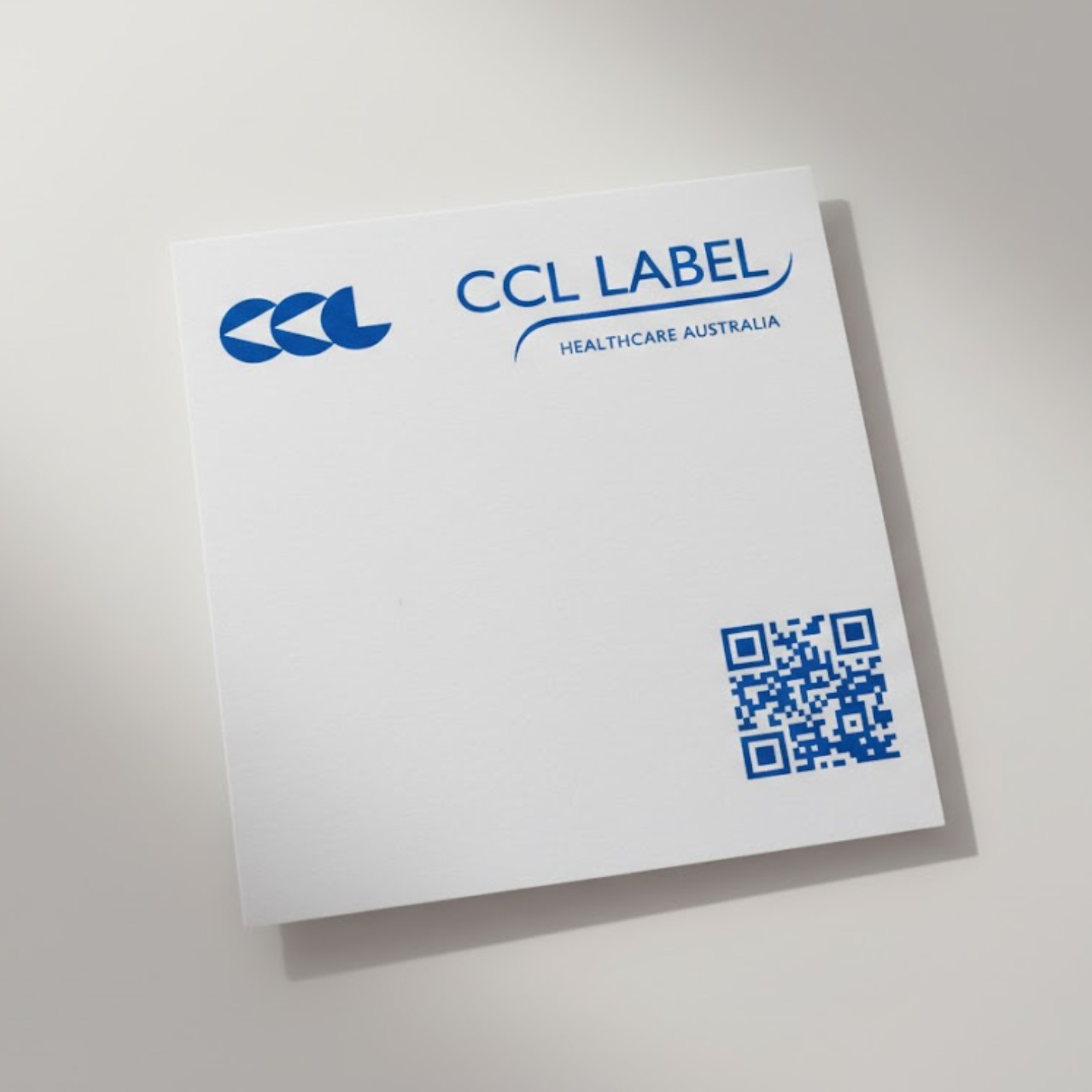
- Events and workshops – Sticky notes are most effective when integrated into the event itself. Conferences, training sessions, and workshops frequently require quick notes, prompts, or interactive exercises. When the product is incorporated into these activities, its usage becomes immediate and apparent.
- Fast-paced office roles – Administrative, operational, reception, property management, and logistics roles utilise sticky notes frequently. These products are well-suited to environments characterised by multitasking and frequent interruptions.
- Shared workspaces – In hot-desking and shared meeting spaces, sticky notes are practical due to their disposable and communal nature. In contrast, notebooks are personal items and are more likely to be left unused or forgotten.
Shop our range of Sticky Notes here
Where do notebooks hold the advantage?
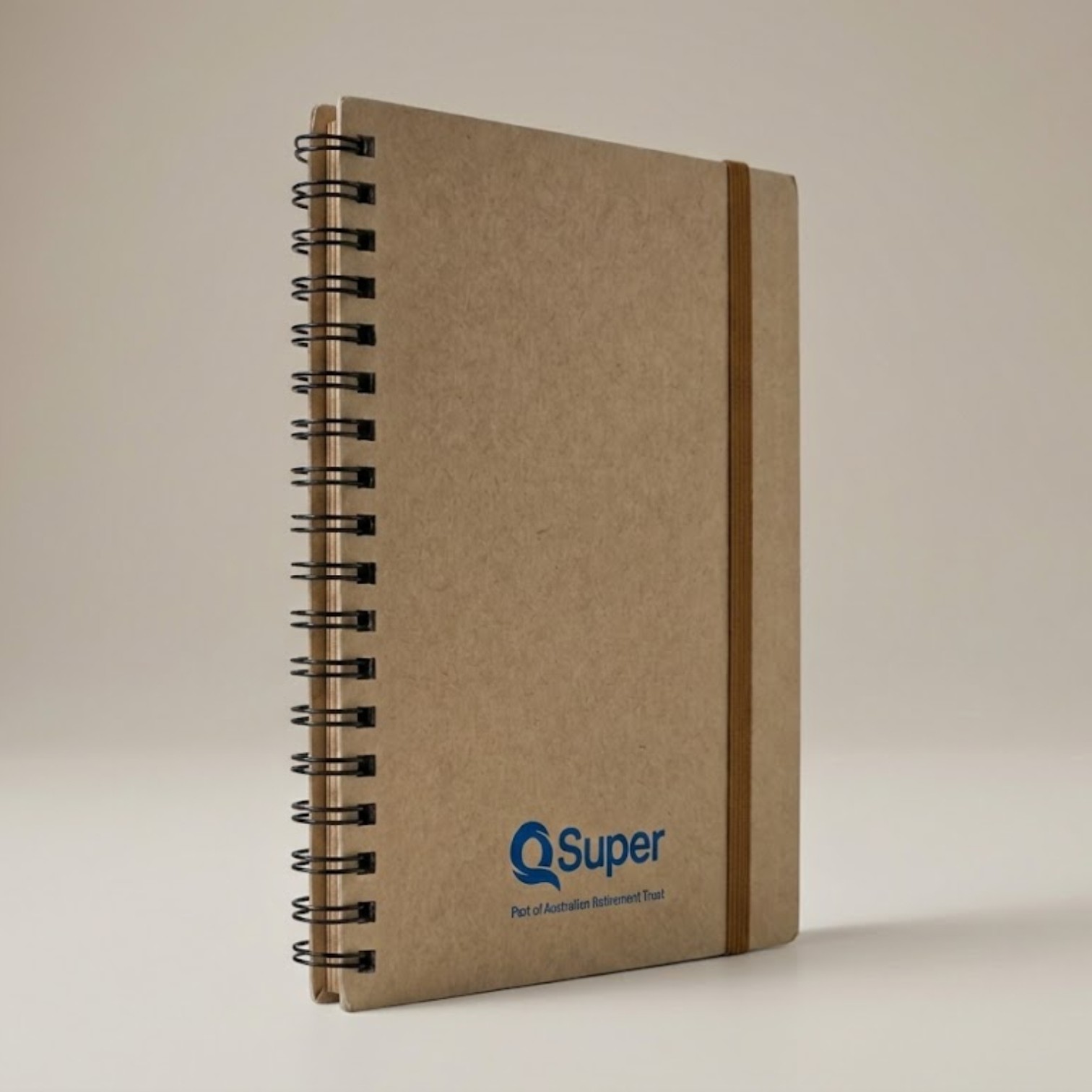
- Onboarding and internal initiatives -Notebooks convey a sense of organisation and intentionality. In staff packages, training programs, or internal initiatives, they signal preparation and professionalism, even if not used daily.
- Meeting-heavy teams – Consulting, human resources, finance, leadership, and project teams often prefer to consolidate notes in a single location. Notebooks facilitate this practice more effectively than loose notes distributed across workspaces.
- Client-facing environments – In meetings or presentations, notebooks present a more thoughtful appearance. They are perceived as higher-value items and are better suited to professional environments where appearance is important.
Shop our range of Notebooks here
How is hybrid work shaping stationery usage?
Australian workplaces have undergone significant changes in the past five years. Sticky notes may become less relevant in highly digital teams where reminders are managed through calendars, project management tools, or collaboration platforms. Notebooks, however, continue to support thinking, planning, and note-taking, particularly when individuals seek to reduce screen time.
Determining whether the target audience is task-oriented, meeting-focused, or fully digital is essential for selecting the most appropriate promotional item.
Branding: where both products often fail?
Both notebooks and sticky notes become less effective when branding compromises their functionality. The more closely an item resembles standard office stationery, the greater the likelihood it will be used.
For sticky notes:
- Oversized logos reduce usable space.
- Heavy ink blocks make writing difficult.
- Loud colours distract from the purpose.
For notebooks:
- Over-designed covers can feel promotional rather than useful.
- Highly branded interiors can discourage use in meetings.
Which product, then, is the most suitable choice?
If the goal is maximum day-to-day interaction, sticky notes usually win. They’re touched often, used quickly, and rarely wasted when chosen sensibly. If the aim is to convey value, structure, and professionalism, notebooks typically perform better, even if they are used less frequently. Many Australian organizations utilize both products, each serving distinct purposes:
- sticky notes for events and general office utility
- Notebooks for onboarding, training, and meeting-focused teams
Where I’d Suggest Them
Sticky notes are lighter and more convenient to bring to events. So, I suggest giving them out during trade shows. Notebooks, especially the premium ones, work as corporate gifts for your clients or employees. Sticky notes are also cheaper per-unit compared to notebooks.
The Cubic Promote view
There is no universally superior option between notebooks and sticky notes. The optimal choice depends on the intended audience’s working habits rather than the product’s appearance.
At Cubic Promote, we work closely with buyers to ensure promotional stationery choices align with real workplace needs. Whether you’re seeking event engagement, internal cohesion, or client-facing professionalism, we’ll help you select items that deliver tangible benefits and stand out from the rest.
Shop it: our 100x75mm Sticky Notes