
The Products with the Lowest Cost-Per-Use (Ranked)
Last Updated: 11 May 2026
Key Points
- Products like jackets, t-shirts, caps, drinkware, pens, and tote bags often deliver the lowest cost-per-use because people keep and reuse them regularly.
- A higher upfront product cost can still give better value if the item stays visible and useful for a long time.
- Cheap promotional products only work when the quality matches the intended use; they are quickly discarded and lose branding value.
In Australian B2B buying, procurement often focuses on unit price. However, cost-per-use—the frequency an item is used or seen—shows true value by keeping your brand visible.
Let’s base our analysis on the ASI 2023 Ad Impressions Study. While it is US-focused, the findings translate well to the Australian B2B environment, especially for workplaces and events.
How are we ranking “lowest cost-per-use”?
The ASI study estimates how often products are seen over their lifetimes and gives clear cost-per-impression examples for common promotional items. This removes guesswork from measuring product usefulness.
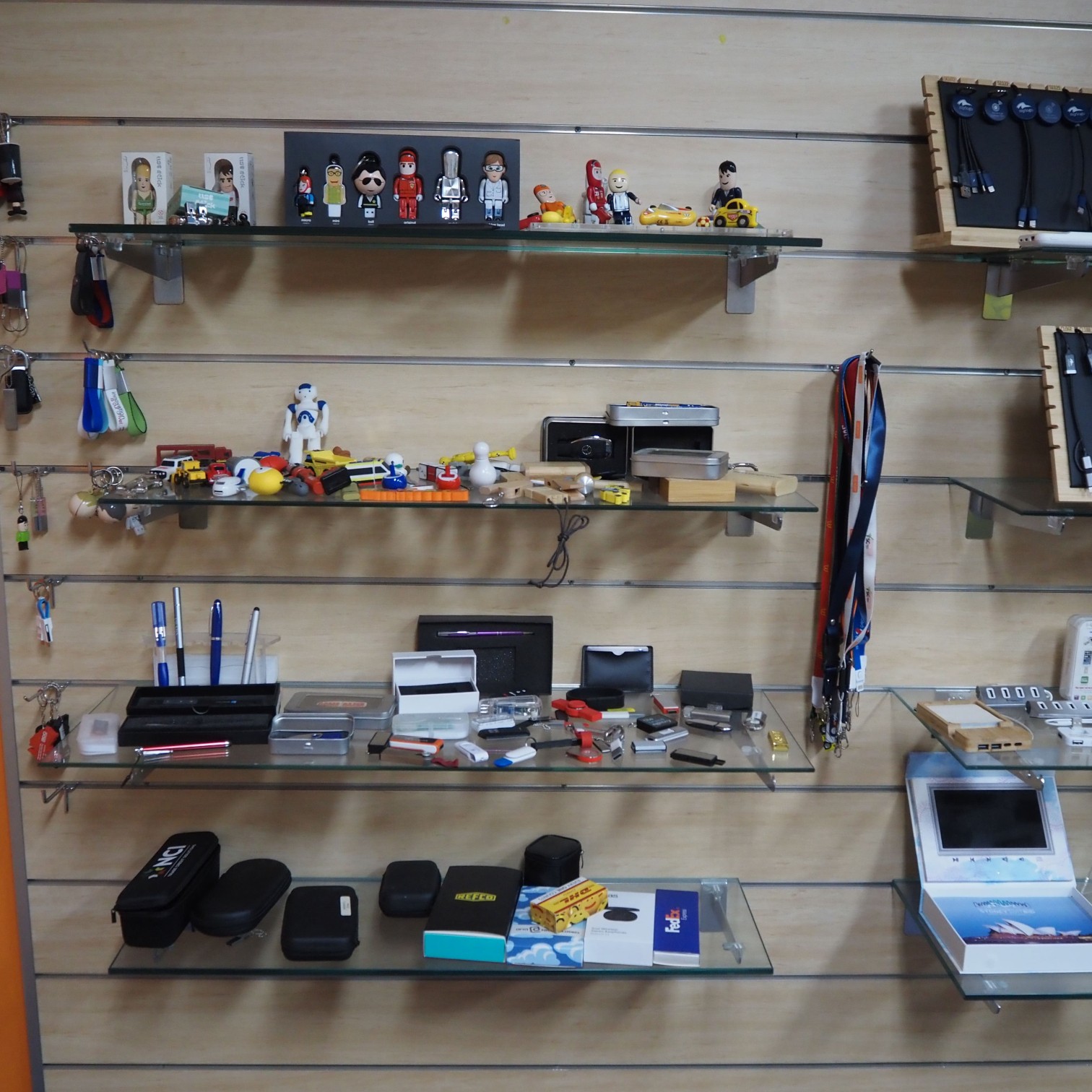
Successful promotional products consistently exhibit three key attributes:
- They are used in public or shared spaces (offices, commutes, events, job sites).
- They stay in use, not forgotten after one use.
- They hold up well over time because once a product looks worn out, it no longer represents your brand.
Ranked: the lowest cost-per-use promotional categories
The table below shows which categories have the most lifetime impressions, along with examples from the study that have a low cost-per-impression.
A few things stand out.
- Outerwear ranks highest because people use it often, it’s easy to see, and it’s kept for a long time. Even though the unit price isn’t low, it is cost-efficient when you look at cost-per-impression.
- Pens demonstrate high-frequency use at low cost. They remain among the most effective promotional options for trade counters, reception areas, conferences, training days, and customer events.
- Caps give your brand good visibility at a moderate cost. Their success depends on choosing high-quality, comfortable designs that people want to wear.
The buyer’s mistake that destroys the cost-per-use
The biggest mistake is assuming product category guarantees cost-per-use. A cheap tote that rips after two trips, a leaky bottle, an uncomfortable cap, or a scratchy t-shirt all deliver poor value, despite low cost.
- Match product quality to intended use duration. For one-day events, budget items can work.
- For onboarding kits, client gifts, or regular giveaways, the cheapest item often costs more over time if unused.
How This Ranking Helps?
If you’re planning a large campaign and want the best mix of low-cost-per-use items for Australian B2B, here is a simple approach:
- Choose one wearable (a t-shirt or a cap) for visibility.
- Select a desk or utility item (pen or drinkware) for daily brand exposure.
- Select a carry item (tote) for practicality and easy distribution.
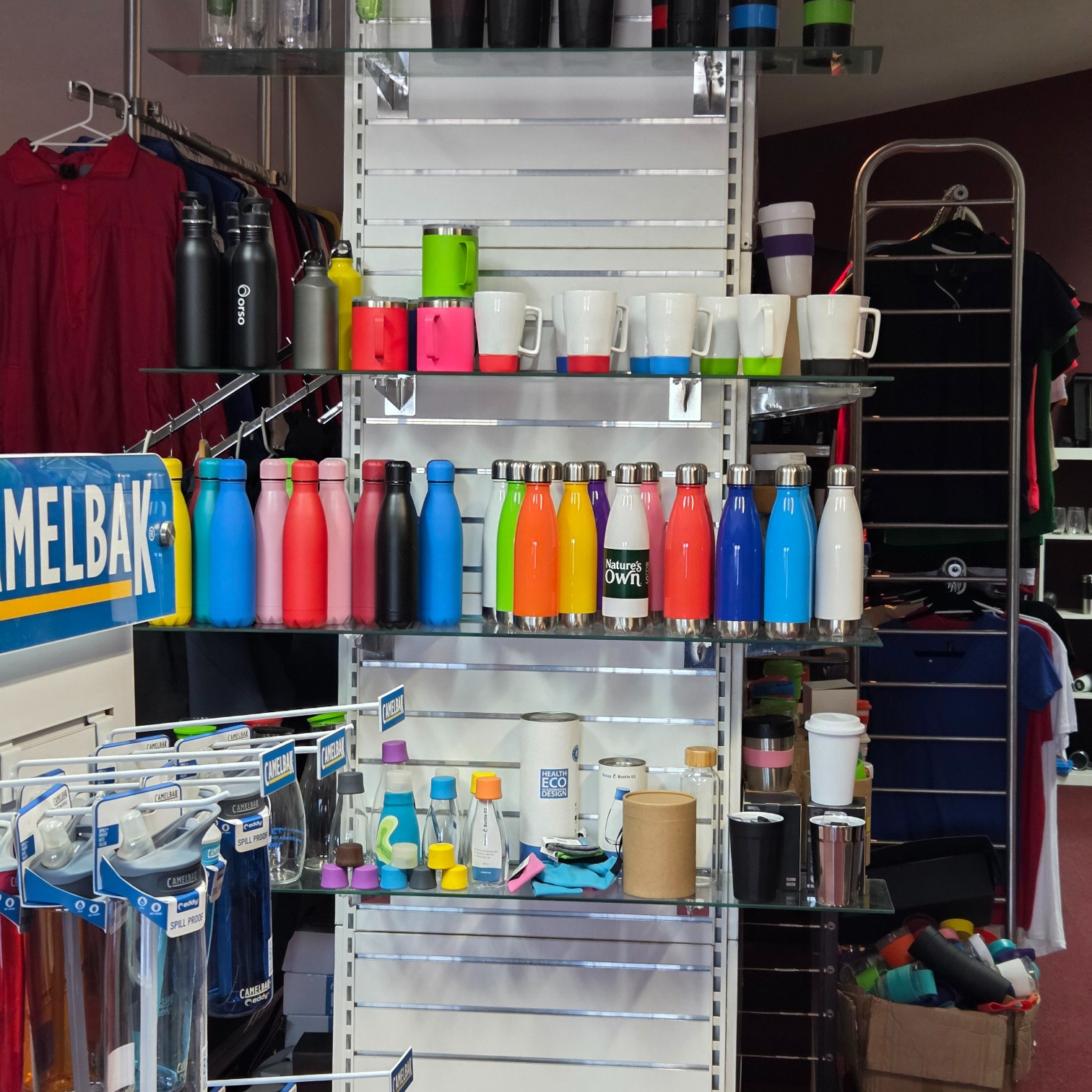
That mix puts your brand in settings like the office, on the commute, at events, and in daily life. This is the best way to lower cost-per-use without gimmicks.
Buying for Cost-Per-Use, Not Unit Price
To achieve the lowest cost-per-use, choose durable products people use often so your brand remains visible.
Start by picking product categories people see and use often, such as outerwear, t-shirts, caps, drinkware, pens, and totes. Match the quality to how long you want the item to last, since long-term use gives a better return on investment.
[team_member image_url=”272549″ team_memeber_style=”meta_below” link_element=”name” color=”Accent-Color” image_size=”thumbnail” name=”Charles Liu” job_position=”Owner” description=”Charles Liu is the Founder and a recognised authority in the promotional products and uniforms industry in Australia. With over 19 years of experience, he has guided Cubic Promote to work with over 15,000 Australian organisations. His specialty is helping Aussie companies select the right products that stay within their budget. He also specialises in sourcing and assisting brands and government agencies in selecting corporate gifts for VIPs and high-profile clients. A regular contributor to industry blogs, Charles shares his expert insights on using branded merchandise to achieve business goals. Charles’s deep understanding of industry trends and strong supplier relationships make him a trusted figure in the sector, continually influencing the development of both products and uniforms that deliver tangible, measurable results.” link_url=”https://www.cubicpromote.com.au/blog/author/charles”]Years of experience[/team_member]