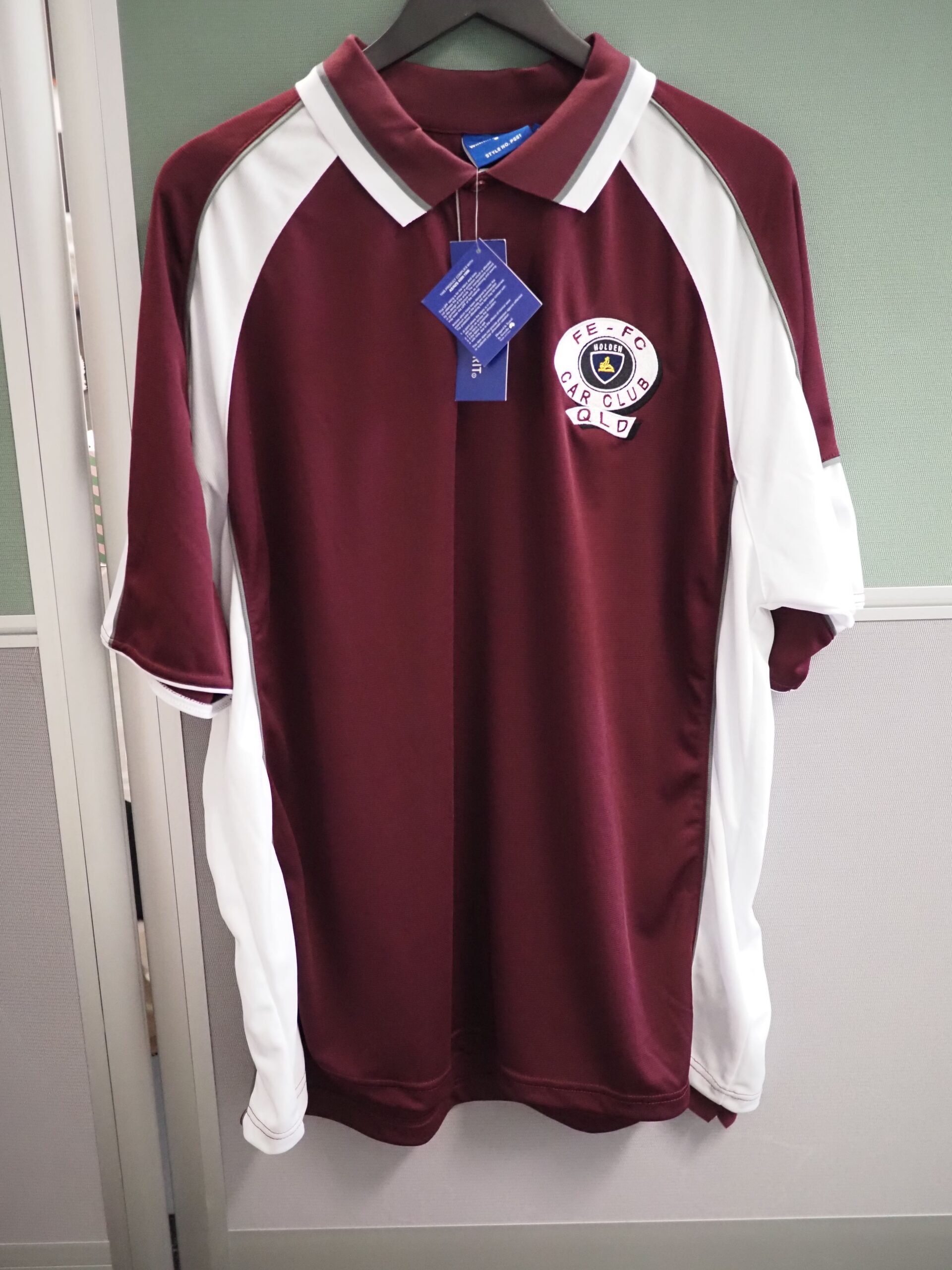
Logos print differently on apparel and hard goods because fabrics absorb ink while solid surfaces keep colours sharper and more vibrant.
Apparel often uses screen printing or embroidery, while hard goods use methods like pad printing, UV printing, or laser engraving for cleaner detail.
Our account managers suggest adjusting artwork for each product type to maintain consistent colours, sizing, and logo clarity across bulk orders.
Logos can look different on clothing than they do on items like mugs, pens, or drink bottles. This is because fabrics and solid materials need different printing methods, inks, and production steps. Knowing these differences helps you pick the best branding option and avoid unexpected results.
When ordering branded products, make sure your logo style fits the material. Printing on clothing is different from printing on solid items, and each method has its own advantages and disadvantages.
Fabric vs Rigid Surfaces
The type of surface your logo is printed on is the biggest factor in how it will look. Clothing is made from fabric, which is flexible and absorbs ink faster. Hard goods are made from solid materials, so the ink stays on top of the surface.
How Materials Affect Printing
Factor
Apparel (Fabric)
Hard Goods (Rigid Materials)
Surface texture
Soft, woven fibres
Smooth, solid surface
Ink behaviour
Absorbs into fabric
Sits on top of material
Print sharpness
Slightly softer edges
Very crisp edges
Colour brightness
Slightly muted
More vibrant
Durability
Depends on wash cycles
Highly durable
Because of these differences, the same logo might look a bit different depending on the product.
Different Decoration Methods
Another major reason logos appear differently is the printing method used. Each material needs a specific printing technique.
Because these printing methods are different, you may need to adjust your logo for each product.
Why Colours Can Appear Different?
One of the most obvious differences between clothing and hard goods is how the colours can change.
On apparel:
Ink absorbs into fibres.
The colour of the fabric can affect the final shade.
Washing clothes over time can cause the colours to fade or become softer.
On hard goods:
Ink sits on the surface.
Colours on hard goods usually stay bright.
The finish on hard goods is usually consistent from batch to batch.
Example: Logo Colour Behaviour
Surface
Result
Cotton T-shirts
Slightly softer colour
Polyester sportswear
Brighter but sometimes shinier
Ceramic mugs
Strong, solid colour
Metal drink bottles
Crisp and vibrant finish
Logo Detail and Resolution
Small details in a logo can appear differently depending on the printing method. On clothing, ink can spread slightly in the fabric, which makes details less sharp. On hard goods, the stable surface keeps edges crisp.
Detail Capability Comparison
Feature
Apparel
Hard Goods
Fine text
Limited in screen printing
Very sharp with pad printing
Small logos
May require simplification
Easier to reproduce
Gradients
Possible with digital printing
Very accurate with UV printing
Thin lines
Can soften slightly
Remain crisp
For clothing, it’s usually best to use slightly thicker lines in your logo to keep it looking clear.
Logo Size and Placement Differences
Clothing offers more space for your logo. Common placements include:
Chest prints
Back prints
Sleeve logos
Full-front designs
Hard goods usually have less space for printing. Examples are:
Pens
Drink bottles
USB drives
Keyrings
Typical Print Area Comparison
Product Type
Typical Branding Area
T-shirts
Large front or back
Polo shirts
Small chest embroidery
Drink bottles
Narrow wrap area
Pens
Small side print
Durability Expectations
The durability of the print also differs between clothing and hard goods. Printing on clothing needs to withstand:
Washing
Stretching
Friction
Sun exposure
Printed on hard goods must withstand the occasional washing and minor impact from fall or scratching.
Durability Factors
Product Type
Durability Consideration
Apparel
Wash resistance
Hard goods
Scratch resistance
Drinkware
Dishwasher exposure
Uniforms
Frequent washing cycles
Why Some Logos Work Better on Certain Products?
Some logos work better on certain materials than others. Logos with:
Very thin lines
Multiple gradients
Very small text
These types of logos often look better with digital printing instead of embroidery or screen printing.
Logo Type vs Best Decoration Method
Logo Style
Recommended Decoration
Simple bold logo
Screen printing
Corporate crest
Embroidery
Detailed artwork
Digital printing
Metal branding
Laser engraving
Tips for Consistent Branding
If you plan to put your logo on both clothing and hard goods, keeping things consistent is important. Some steps you can do are to submit vector artwork files to your supplier and provide your Pantone colour codes. Collaborating closely with your account manager on the decoration method and the artwork proof is also crucial. Sometimes, suppliers may need to make small changes to your artwork to suit different materials.
What We Advise?
Logos look different on clothing and hard goods because the materials, printing methods, and surfaces all affect the result. Fabric soaks up ink and softens the edges, while solid materials keep prints sharp and bright. To get the best results, match your logo style to the printing method and product type.
[team_member image_url=”272549″ team_member_style=”meta_below” link_element=”name” color=”Accent-Color” image_size=”thumbnail” name=”Charles Liu” job_position=”Owner” description=”Charles Liu is the Founder and a recognised authority in the promotional products and uniforms industry in Australia. With over 20 years of experience, he has guided Cubic Promote to work with over 15,000 Australian organisations. His specialty is helping Aussie companies select the right products that stay within their budget. He also specialises in sourcing and assisting brands and government agencies in selecting corporate gifts for VIPs and high-profile clients. A regular contributor to industry blogs, Charles shares his expert insights on using branded merchandise to achieve business goals. Charles’s deep understanding of industry trends and strong supplier relationships make him a trusted figure in the sector, continually influencing the development of both products and uniforms that deliver tangible, measurable results.” link_url=”https://www.cubicpromote.com.au/blog/author/charles”]Years of experience[/team_member]
Charles Liu is the Founder and Marketing Director of Cubic Promote, an Australian supplier of promotional products, branded merchandise and corporate uniforms. With more than 20 years of industry experience, Charles helps Australian organisations plan, source and deliver branded products and apparel for marketing campaigns, workplaces, conferences, corporate gifting programs and major events.
His expertise covers product branding, global logistics, project management, marketing, leadership, product safety and B2B supply. He works at the point where marketing ideas must become practical products—within a defined budget, production deadline and quality requirement. Connect with Charles Liu on LinkedIn