
Key Points
- Bulk order timelines depend on three key stages: artwork approval, production, and shipping.
- Delays are caused by slow approvals, stock issues, or shipping disruptions, so early planning and quick decisions help keep orders on track.
- Working with an experienced supplier like Cubic Promote helps keep each stage moving smoothly, with clear timelines and upfront stock checks.
During my first conversations with clients, one of the most common questions I get is how long a bulk order will take. One thing I always explain early is that artwork approval is required before production can begin. While many orders follow a standard two-week turnaround, the actual timing depends on the product, quantity, branding method, and delivery option. In this guide, I’ll break down the process we use to calculate delivery timelines.
Why Timelines Aren’t Just One Number?
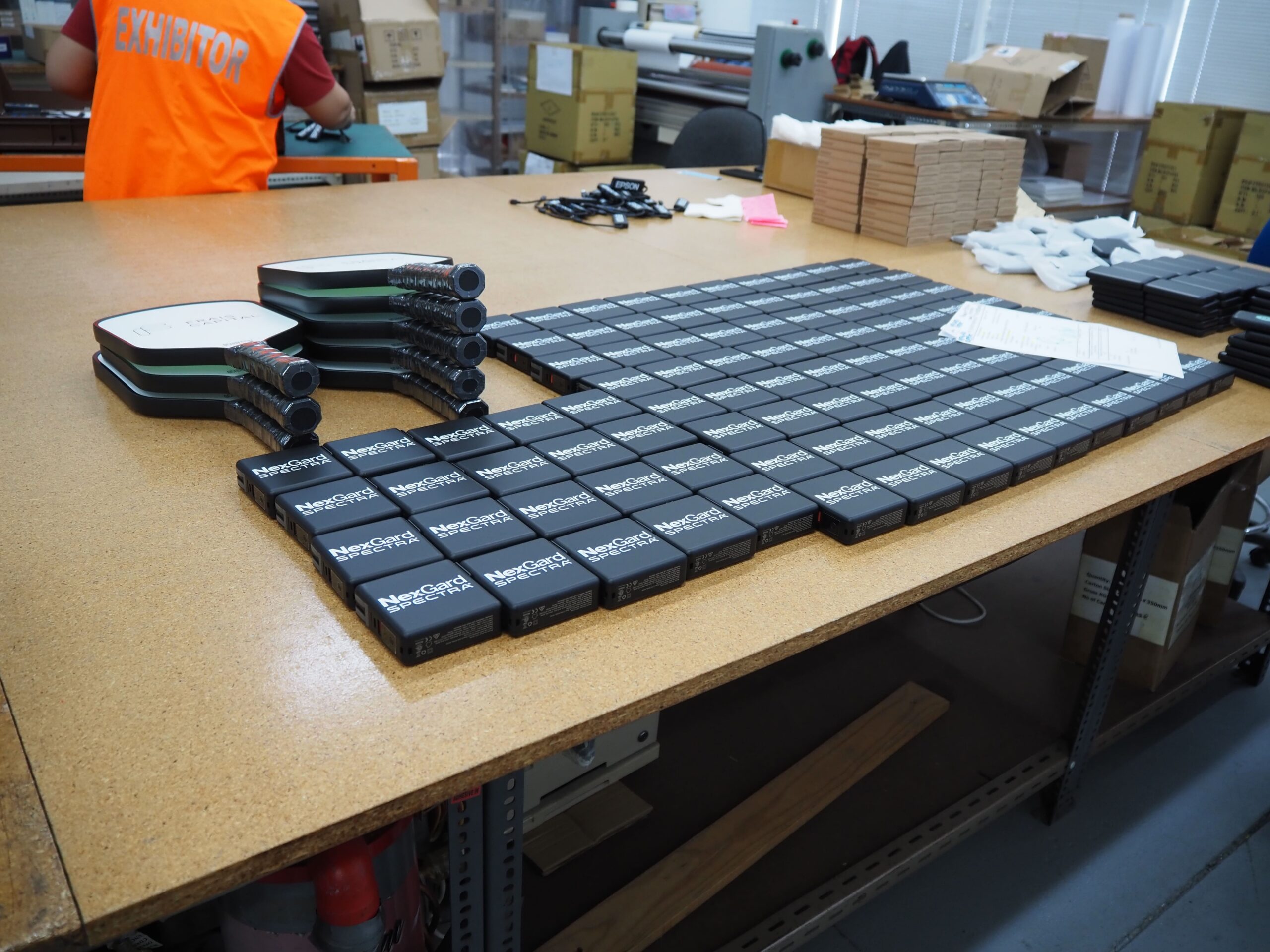
The main stages include:
- Artwork approval
- Production
- Shipping
How We Estimate Bulk Order Timelines
- Artwork approval time
- Production time
- Shipping or freight time
- Stock availability checks
Step 1: Artwork and Approval
This is the first stage, and it often gets underestimated. Before anything goes into production, the artwork needs to be finalised and approved. That includes logo placement, sizing, and colours.
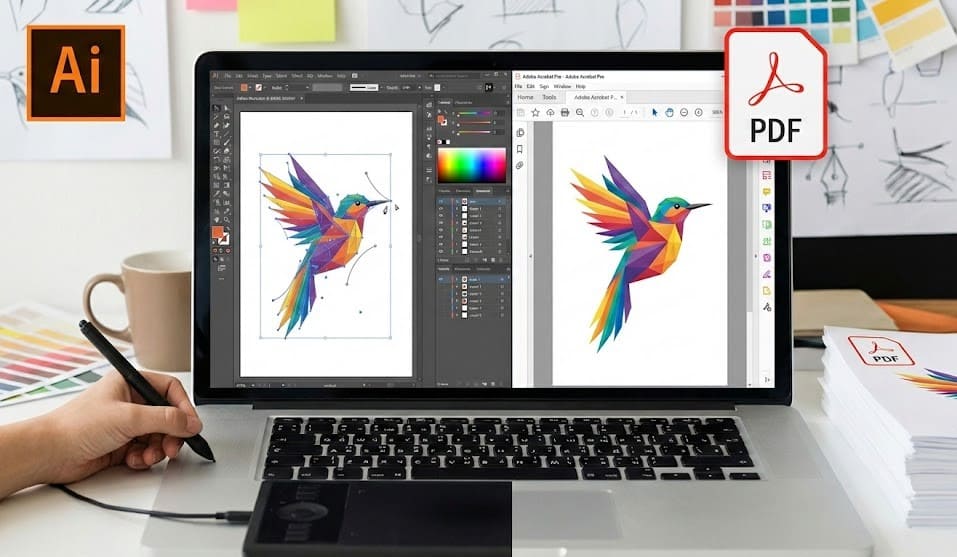
- Artwork setup and mockups
- Revisions if needed
- Final approval sign-off
Step 2: Production Time
Once the artwork is approved, production begins. This is where items are printed, assembled, or customised. The time needed depends on the product and quantity.
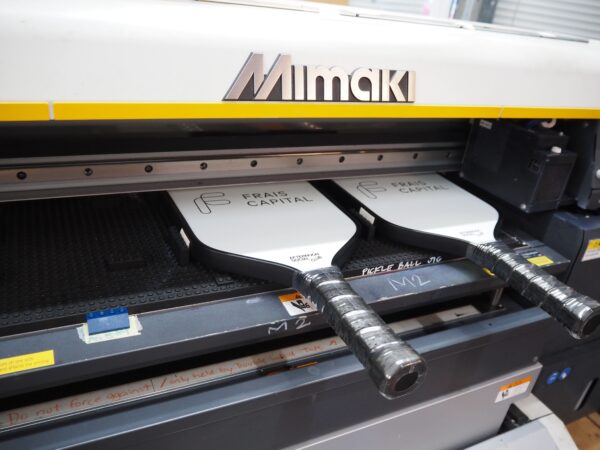
- Simple items take less time.
- Larger quantities take longer.
- Complex branding methods add time.
Local production is usually faster. Offshore production takes longer but can save money.
Step 3: Shipping and Delivery
After production, the order still needs to be delivered. Shipping time depends on where the stock is coming from and how it’s being sent.
- Local delivery is quicker.
- Air freight is faster but more expensive.
- Sea freight is slower but better suited to large volumes.
Delays can happen here, too, especially with international shipments.
How These Steps Add Up?
Here’s a simple way to look at it.
Each stage depends on the one before it. That’s why timelines are usually given as a range, not a single date.
What Affects Bulk Order Timelines?
- Quantity of items
- Type of product
- Branding method
- Stock availability
- Delivery location
For example, a simple pen order will be ready much faster than a custom item with several print areas.
Common Delays I See
- Slow artwork approvals
- Changes made after production starts
- Stock unavailable at the time of ordering
- Shipping or freight delays
How I Help Keep Orders on Track?
When I work with clients, I focus on keeping things moving at every stage.
- Confirm artwork early
- Lock in product choices quickly.
- Check stock availability upfront.
Taking small steps like these helps prevent bigger delays later.
Planning Backwards from Your Deadline
One of the easiest ways to manage timelines is to start with your deadline and plan backwards. If you need items by a certain date, make sure to allow time for each stage before that.
- Delivery date
- Shipping time
- Production time
- Artwork approval
This approach gives you a more realistic schedule from the beginning.
Local vs Offshore Timing
Clients often ask about this. Local orders are faster because there’s less shipping. Orders take longer, but are often chosen for larger quantities when cost is a bigger concern
The trade-off is simple:
- Local = faster turnaround
- Offshore = longer timeline, lower cost
What We Advise?
Timelines become much easier to manage once the full process is understood. Artwork approval is one of the most important stages because production cannot begin without it. Most delays occur due to slow approvals, stock issues, or last-minute changes. If you’re working towards a deadline, it’s always better to start earlier or consider rush production options than to wait until the last minute.
Ready to Buy?












 Aboriginal Theme
 Australian Made
 Best Sellers
 New Products
 Under $5
 Rush Orders
 Sale
Sale Low Order Quantity
 Corporate Uniforms
 Eco Apparel
 Hoodies & Sweaters
 Jackets
 Kids' Clothes
 Other Apparel
 Polo Shirts
 Socks
Socks Shoes
Shoes Sports Bottoms
 Sports Uniforms
 Singlets
 Tee Shirts
 Workwear
 Backpacks
 Briefcases
 Coolers
 Drawstring Bags
 Dry Bags
 Duffle Bags
 Kids Activity Bags
 Laptop
 Luggage and Travel
 Paper Bags
 Satchels
 Specialised Bags
 Tote Bags
 Bottle Openers
 Bottled Water
 Drink Bottles
 Drinkware Gift Sets
 Glass & Poly Cups
 Mugs
Mugs Stubby | Bar & Drinkware
 Wines
Wines
 Bandanas
 Beanies
 Bucket Hats
 Caps
Caps Headbands
 Straw Hats
 Visors



 Audio
Audio Business Card Holders
 Compendiums
 IT Gift Sets
 Notebooks | Diaries
 Tech Computers
 Tech Mobile
 USB Flashdrives
 Beach Towels
 Beachballs & Inflatables
 Car Accessories
 Golf
Golf Lighters
 Picnic Gear
 Sports Items
 Sunglasses
 Sunscreens
 Torches
 Travel Essentials
 Thongs
 Umbrellas | Ponchos
 Watches
 Crayons
 Colouring Pencils
 Highlighters
 Markers
 Pens
Pens Pencils
 Post-It & Sticky Notes
 Other Stationery


 Active Toys
 Card Decks
 Coin Banks
 Conference Toys
 Event Toys
 Fidget Items
 Frisbees
 Games & Puzzles
 Kids
Kids Plush Toys
 Stress Balls

 Charity & Community
 Chocolates & Lollies
 Keyrings
 Lanyards | Badges
 Print | Signage

 Antibacterial
 Eco Products
 Gift Box Sets
 Homeware
 Pet Products
 Personal Care
 Occasion Ideas