What Event Merchandise Will Be in Demand in Australia Over the Next 3 Years?
Key Points:
- Event merch is shifting from mass giveaways to fewer, higher-value items people actually keep and use.
- Demand is growing for better-quality products, choice-based options, and items linked to the event experience.
- Choose merch that is useful, easy to carry, relevant to your audience, and likely to be used long after the event ends.
Most articles on event merchandise repeat the same advice. Choose practical items. Avoid cheap giveaways. Focus on quality. That’s not wrong. But it’s also not enough if you’re planning. What matters more is how buyers and attendees are changing their behaviour. From what we’re seeing across bulk orders, client briefs, and campaign feedback, the shift is already happening — and it’s picking up speed.
In the next three years, demand won’t be about “useful products” alone. It will be about how items are chosen, distributed, and valued at events.
What We’re Seeing in the Australian Market Now?
Across recent orders and client requests, a few patterns are clear. Event teams are under more pressure to justify spending. At the same time, attendees are more selective about what they take and keep. From our data and client trends:
- Fewer clients are asking for “cheapest possible” items
- More briefs now mention “something people will actually keep”
- There is a shift toward lower quantity, higher perceived value
- Clients are more open to changing how items are distributed
This is important. It shows the change is already happening, not something years away.
The Biggest Shift
Three years ago, it was common to order thousands of items and hand them out freely. That approach still exists, but it’s losing effectiveness. Now, buyers are asking:
- Who should receive this item?
- Should everyone get the same thing?
- Is this worth giving to every attendee?
This leads to a different strategy:
- Smaller quantities
- More targeted distribution
- More focus on perceived value
How Distribution Is Changing
What Event Merchandise Will Actually Grow in Demand?
1. Products That Feel Like Retail
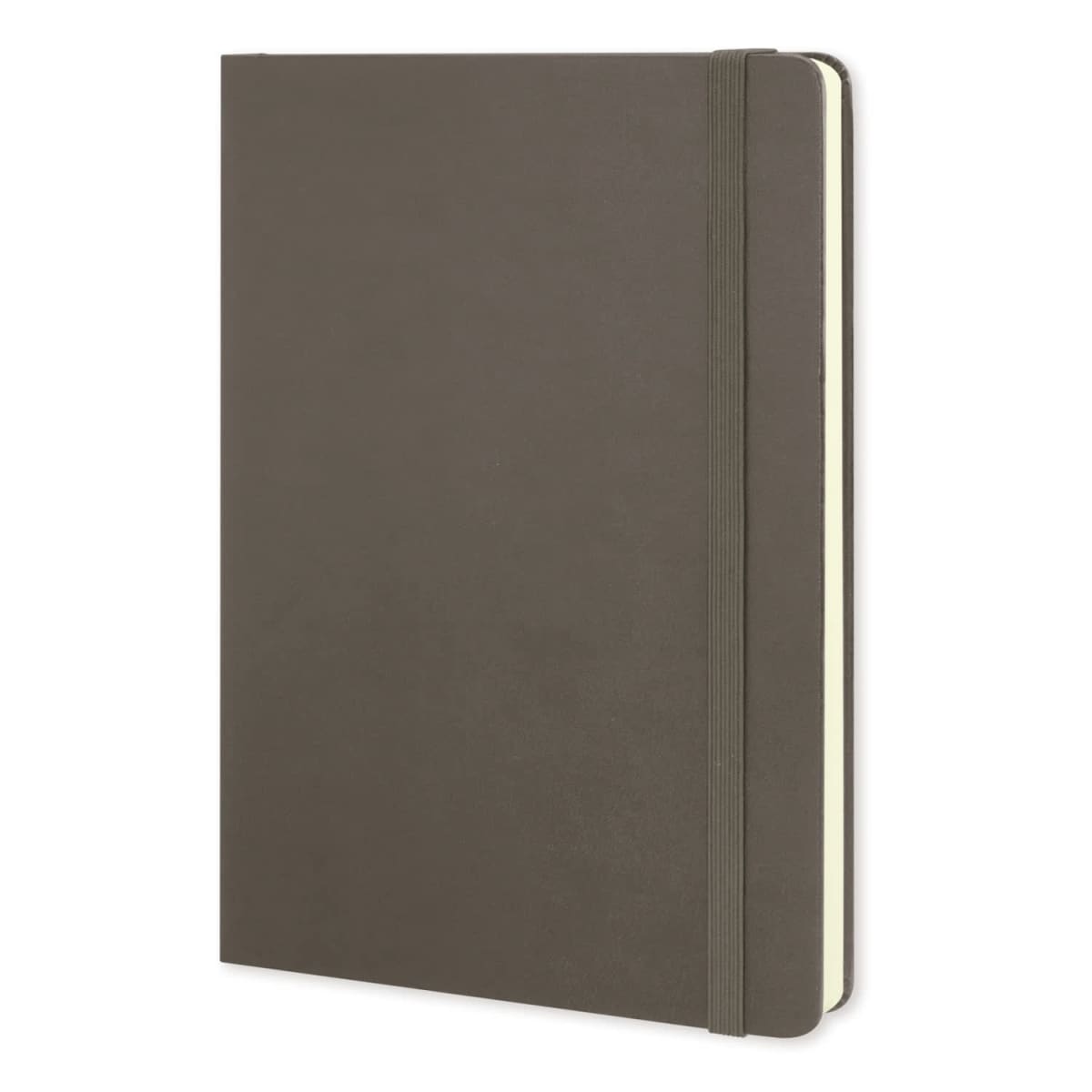
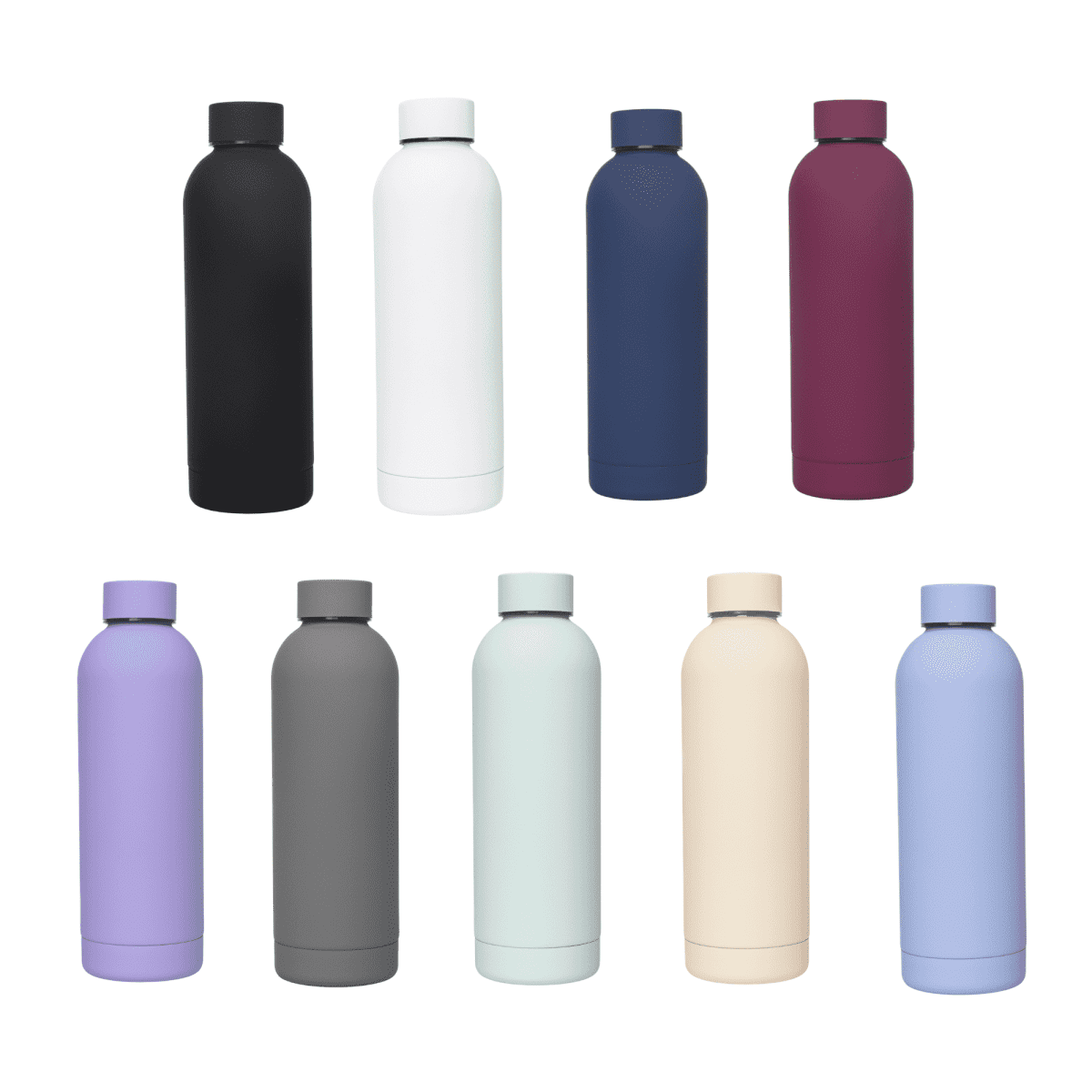
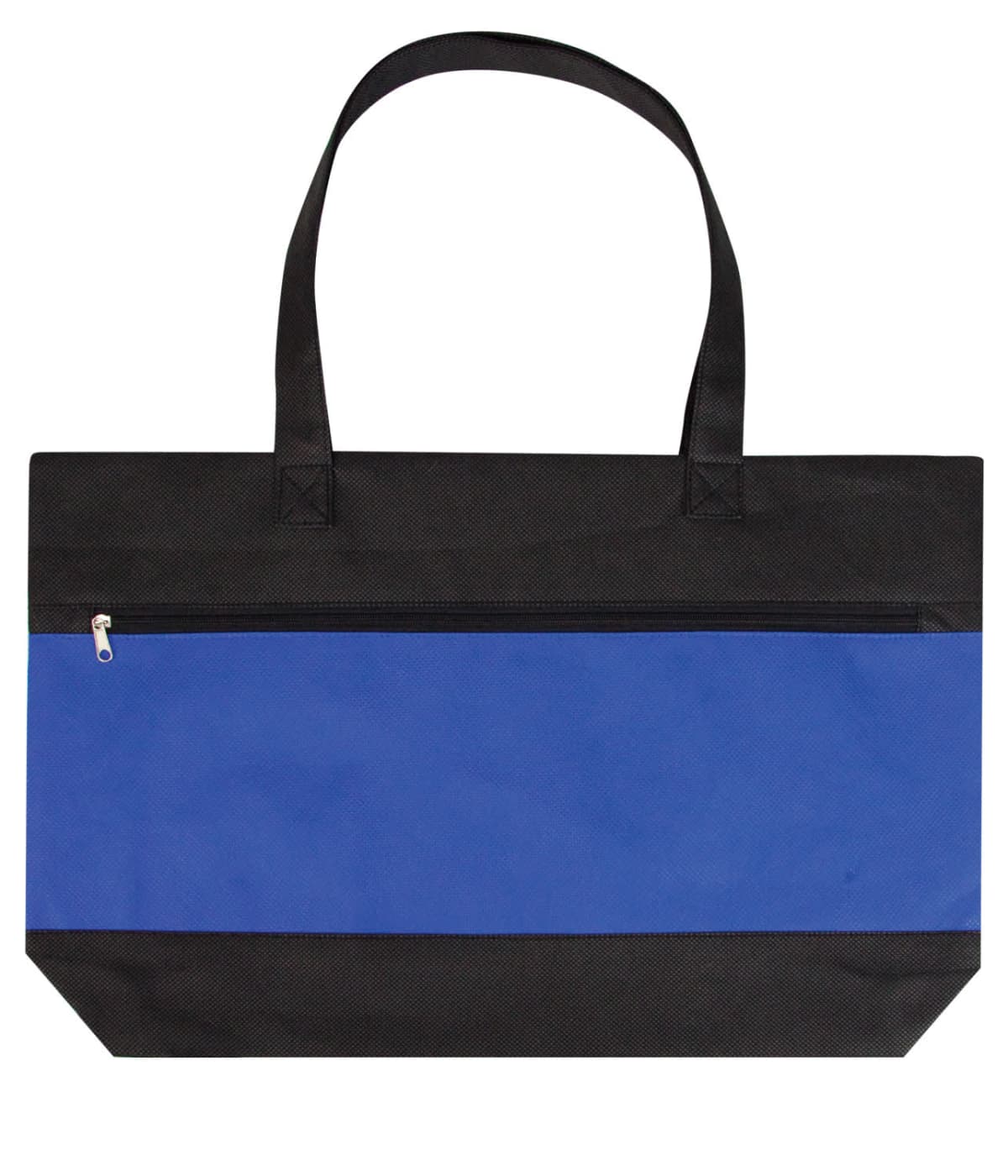
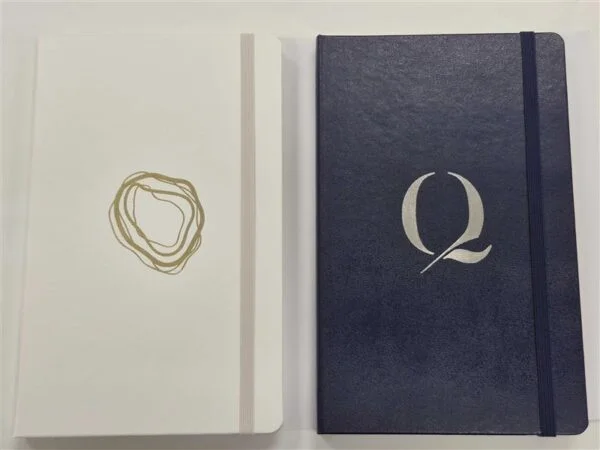
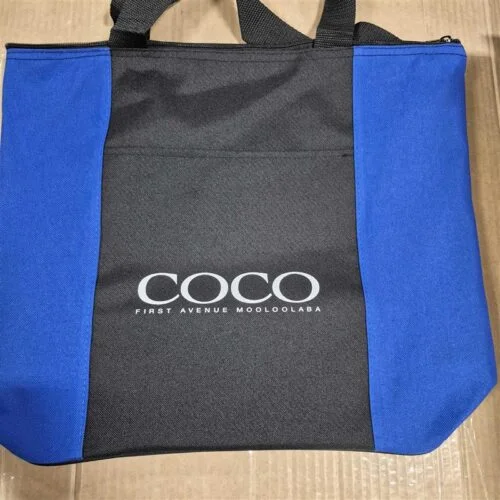
When it feels like a normal product on malls, people love and use them. We’re seeing more demand for clean, minimal drinkware, structured bags with better finishes, apparel with simple designs and high-quality notebooks made of materials like leather or Moleskine.
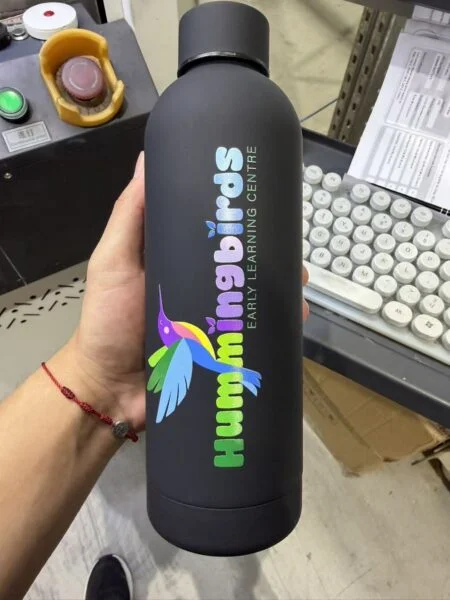
Items like these have higher perceived value, which is why recipients love and prefer them. Browse Custom Drink Bottles here.
2. Choice-Based Merchandise
More clients are moving away from giving the same item to everyone. Instead, they are testing:
- small product selections at booths
- Redemption systems (choose later)
- different tiers for different audiences
From what we’ve seen, this leads to better outcomes. Why it works?
- People choose what they actually want
- Higher chance the item gets used
- Less waste overall
One-Item vs Choice-Based Approach
3. Merchandise Linked to the Event Experience
Another shift we’re seeing is how items are given, not just what they are. Instead of handing items out randomly, they are being tied to:
- attending a session
- completing an activity
- visiting a booth
- VIP access
This changes how people see the item. Why this matters?
- The item feels earned, not given
- Creates a stronger memory
- Increases perceived value
In many cases, the same product performs better simply because of how it’s delivered.
4. Simple Tech That Supports Daily Use
Tech is not going away, but demand is shifting toward simpler items. From recent orders, the strongest performers are:
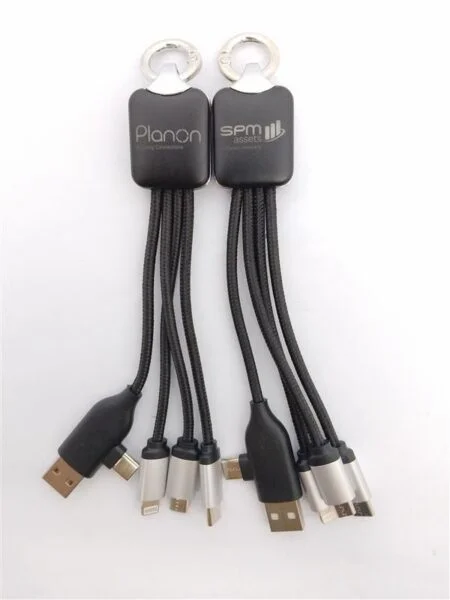
These tech items will remain in demand in the coming years because they solve everyday problems.
5. Apparel That Doesn’t Look Like Event Merch
Apparel is still popular, but expectations are higher. Clients are moving away from:
- oversized logos
- low-quality fabrics
- basic fits
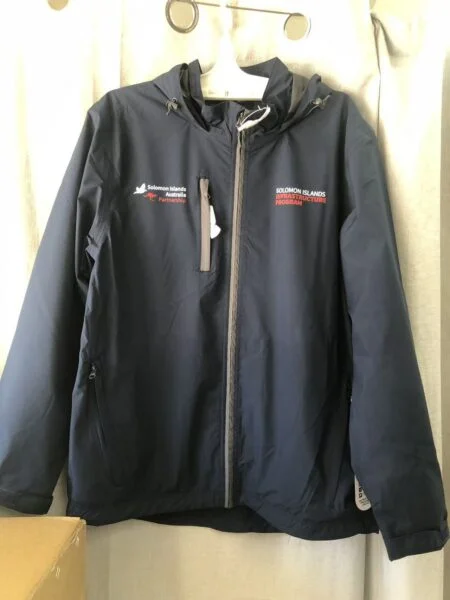
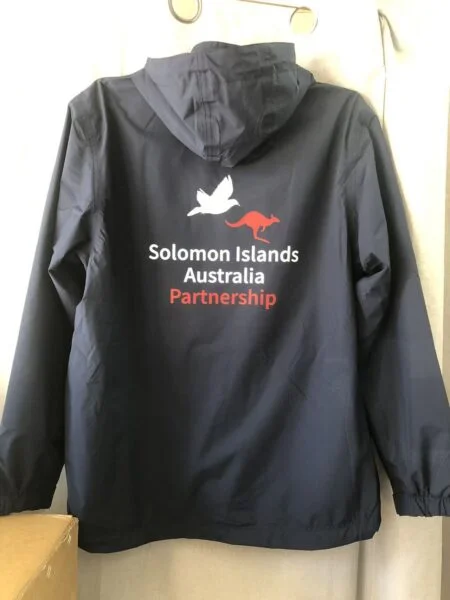
Instead, demand is growing for better materials, cleaner designs, and minimalist branding. See our range of branded jackets here.
Apparel Expectations Are Changing
What Will Decline? (Based on Current Buying Behaviour)
Some categories are already seeing demand decline.
1. Cheap, Mass-Produced Giveaways
From our data, these are still ordered but often for the wrong reasons (budget pressure, habit, or internal expectations). Examples are low-quality plastic items. Why are they declining?
- Low usage after events
- Weak brand impact
- Often left behind
2. Gimmick Products
Products designed to be different, but not useful. They may get attention on the day, but they don’t last. What we’re seeing:
- High short-term interest
- Very low long-term use
- What’s Growing vs Declining
How to Plan Your Merch for the Next 3 Years?
When planning your merch, it’s crucial to observe how your target audience responds to past giveaways. A simple way to approach it is to ask questions like:
- Will people choose this, or take it?
- Does it feel like a real product, not a giveaway?
- Is it easy to carry and keep?
- Can it be tied to part of the event experience?
- Will it still be used after the event ends?
If most answers are yes, the product is likely to perform.
Ready to Buy in Demand Items?