
What “Quality” Really Means in Promotional Merchandise?
Last Updated: 19 October 2026
Key Points
- Quality promotional merchandise proves itself after months of use, not just when it first arrives.
- Low-quality items often fail through fading logos, broken stitching, leaks, weak materials, or uncomfortable wear.
- Better-quality products usually stay in use longer, giving brands more visibility and better long-term value.
Most promotional products look good when they’re brand new, although a nice finish doesn’t always mean good quality. In my experience, you only know how well something is made after you’ve used it, washed it or dropped it a few times. If it holds up to everyday use without breaking or wearing out too quickly, that’s a good sign you’ve chosen a quality product.
Quality Shows Up After 30 Days, Not Day One
A common mistake in promotional buying is judging products only at the sample stage. On day one, almost everything looks great. Logos are crisp. Colours pop. Fabric feels fine.
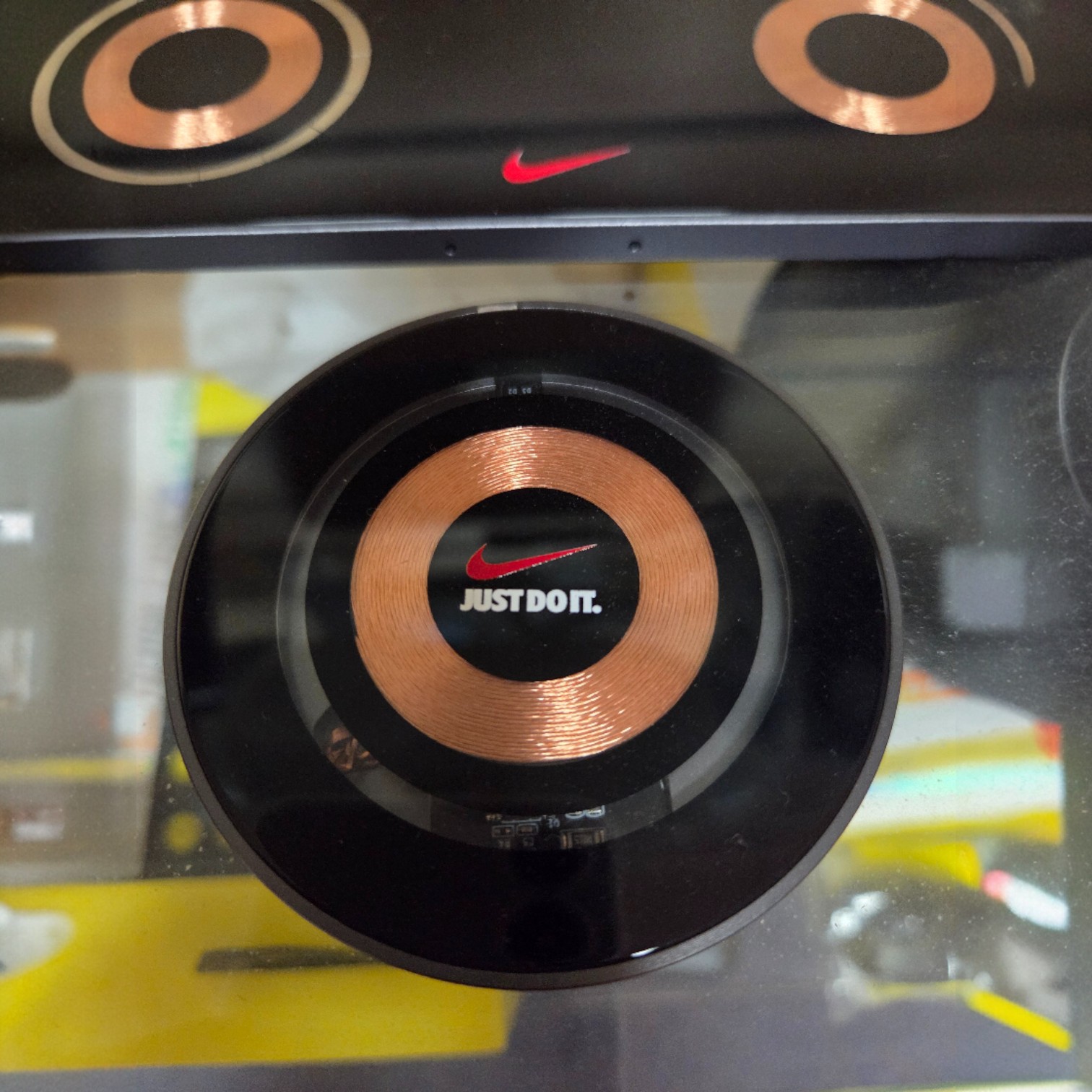
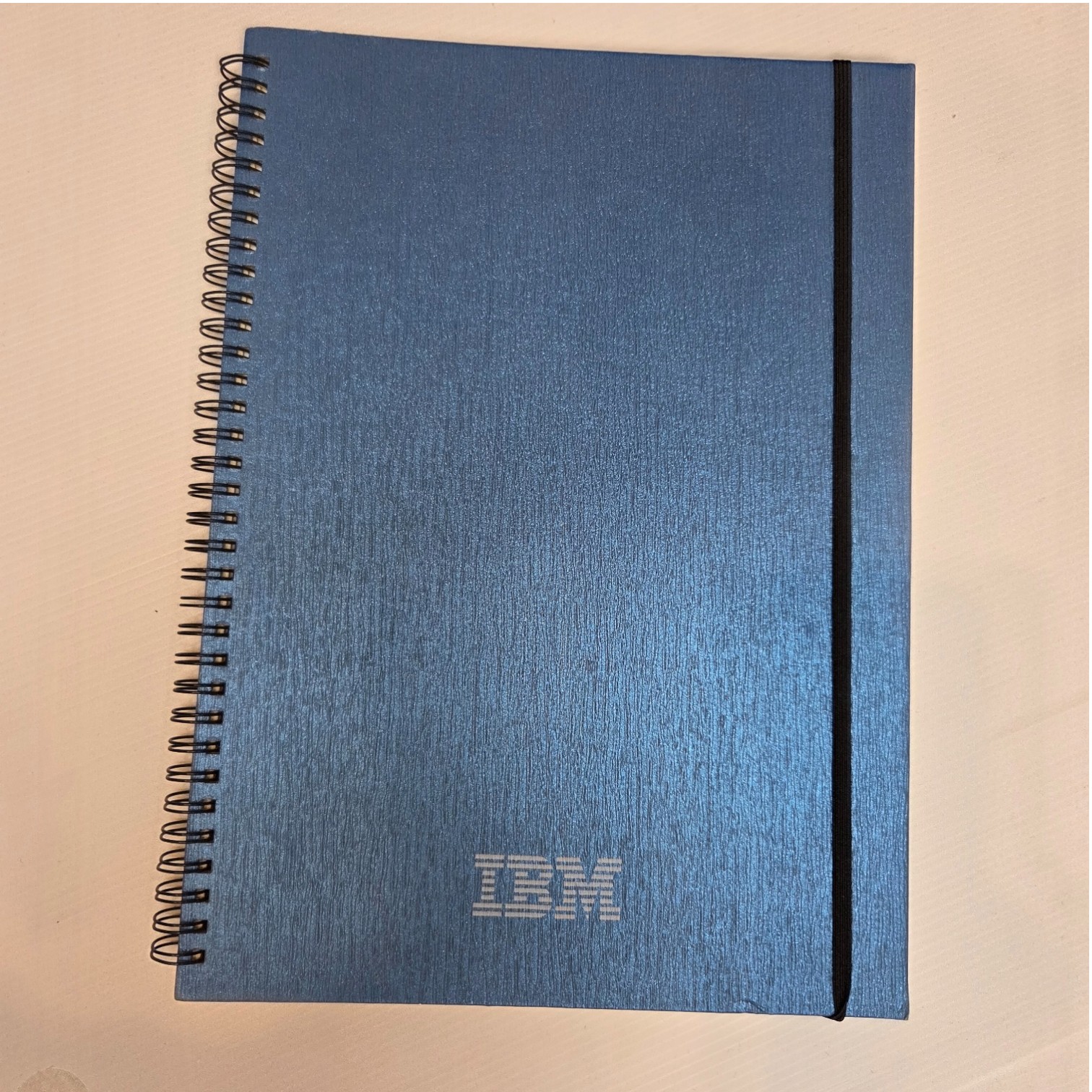
But promotional merchandise doesn’t prove itself on day one. It proves itself on day 30, day 90, and day 300 when it’s still being used and still representing the brand well. This is where low-quality merchandise begins to show.
Shop Quality Notebooks here
Shop Quality Chargers here
Where Low-Quality Merchandise Fails First
You can usually tell when merchandise is low quality. Logos fade, seams come apart, ink scratches off, or lids stop fitting. When that happens, people stop using it and that’s never good for the brand.
Quality Determines Cost-Per-Use and Brand Visibility
You get a better return on investment (ROI) from promotional products when people keep using them. A cheap item might save you money upfront, but if it breaks after a month, people won’t see your logo anymore. Spend a bit more on something that lasts a year or longer, and you could get far more brand exposure from the same giveaway.
In practical terms:
- Fewer uses = higher cost per use
- Shorter lifespan = fewer brand impressions
- Early disposal = wasted distribution effort
When businesses focus only on unit price, they often ignore this longer-term equation.
Wearer comfort is part of quality — and it’s not optional
Comfort is one of the most underestimated drivers of ROI in promotional merchandise, particularly with apparel and headwear. People won’t wear a shirt regularly if it’s stiff, scratchy or too hot, even if the size is right. The same goes for caps that feel heavy or jackets that make it hard to move around. If you want people to keep wearing your branded apparel, make sure they’re comfortable in it.
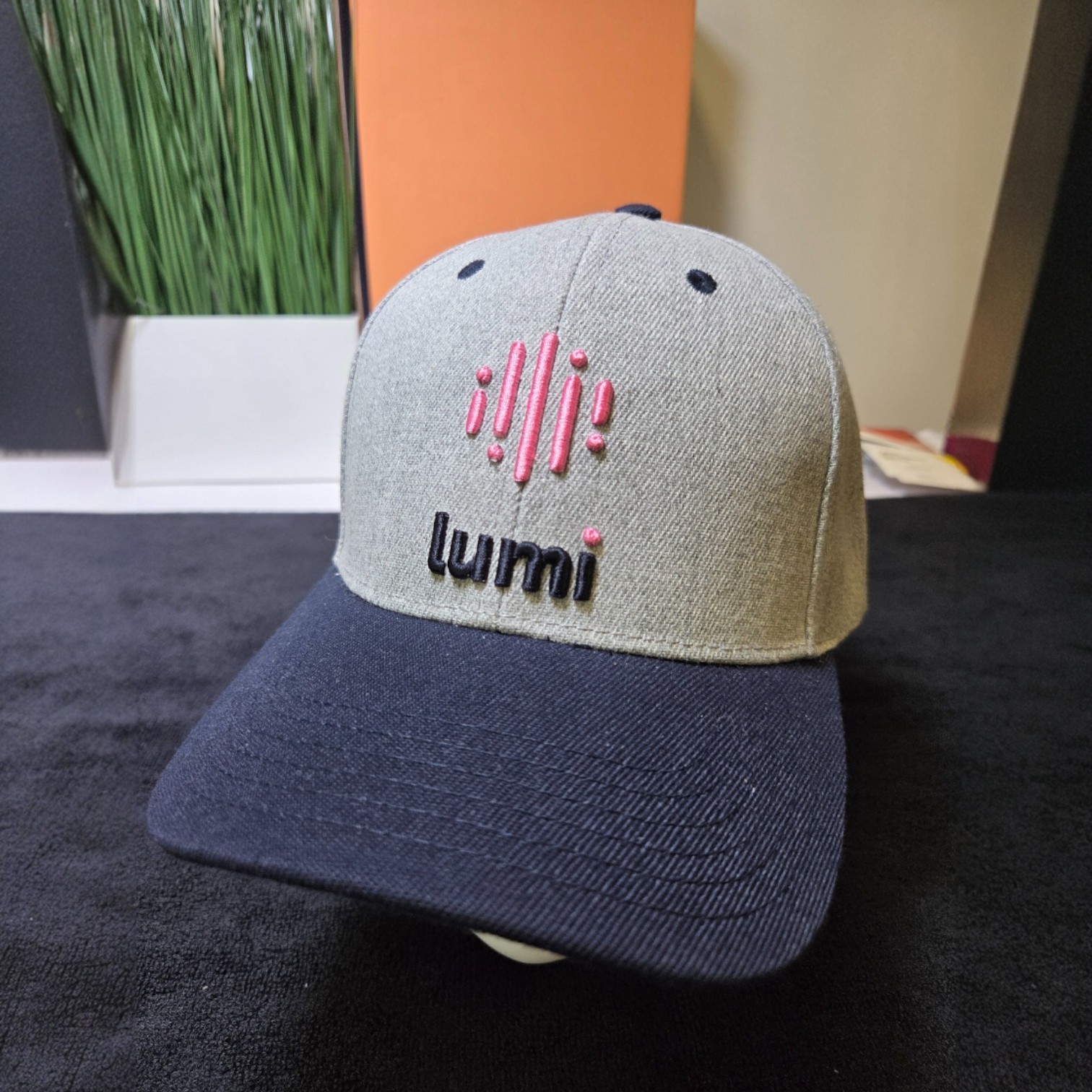
Mark Tyssen, our Senior Business Development Manager, says businesses won’t get much value from branded clothing that people never wear, no matter how cheap it was to order. He recommends choosing apparel with comfortable fabrics, a good fit and strong stitching. People notice these details when they try on the clothing, and they’re more likely to wear it regularly if it feels good.
How The Fading of a Logo Affects Brand Trust?
You can often judge a product’s quality by how well the printed or embroidered logo holds up over time. If the print starts cracking or the embroidery comes loose after a few uses, people may question the quality of the product. That poor experience could also affect how they see your brand.
When people notice these branding problems, they may start questioning your product quality and reliability:
The Hidden Costs of Cheap Merchandise
Cheap promotional products can look perfectly fine when they first arrive. You might only notice the poor quality after people start using them. By then, you could be dealing with extra costs and a few headaches, such as:
- Replacing products sooner than expected
- Placing extra orders to keep staff uniforms consistent
- Dealing with complaints about uncomfortable or faulty products
- Getting less value from campaigns when giveaways don’t last
Our POV on Quality vs Budget
Wendy Li, our General Manager, believes businesses should look beyond the unit price when ordering promotional merchandise. Higher-quality products can work out cheaper in the long run because people can use them for longer without needing replacements.
However, Wendy doesn’t believe you always need to spend more. Budget-friendly products can do the job just fine for one-off events or large giveaways. It really comes down to how you plan to use them. For products people will use every day, she recommends spending a bit more on quality and durability.
Quality Helps You Get Better ROI
You get a better ROI when people actually use your promotional products. Before placing a bulk order, think about how long you expect recipients to keep them. For everyday items, it’s worth spending a bit more on quality so people continue using them and seeing your logo.
If you’re unsure which products will give you the best value for your budget, get in touch with our team. We can help you compare options and choose merchandise that suits your needs.