
Bamboo vs Plastic Marketing Items: Guidance for Australian Buyers
Last Updated: 11 May 2026
Key Points
- Bamboo merchandise is often chosen for councils, schools, not-for-profits, and sustainability-focused campaigns because they feel more natural and premium.
- Plastic products still work well for large events and heavy-use situations because they are durable, cost-effective, and better for bold colours or strong branding.
- The most sustainable merch is usually the one people keep and continue using, regardless of whether it is made from bamboo or plastic.
Bamboo is commonly linked to sustainability; plastic is often considered cost-effective. Yet, these ideas do not always guide decisions about promotional products. Australian buyers are looking for clear, practical advice: which product will be used, kept, and that positively reflects the brand? The most sustainable choice is the one people keep and use after the event.
This guide directly compares bamboo and plastic promotional items based on the most relevant decision factors for procurement teams, marketing managers, and event organisers: durability, usability, branding, audience fit, and risk. These criteria help determine which material best serves your priorities.
The real question: Retention
A key decision factor often overlooked is the product’s retention by recipients, which matters more than material choice. If a product feels flimsy, annoying, or impractical, it will become waste regardless of what it is made from. Bamboo usually offers higher perceived value, while plastic often excels in performance and cost. Always weigh these characteristics in your specific context.
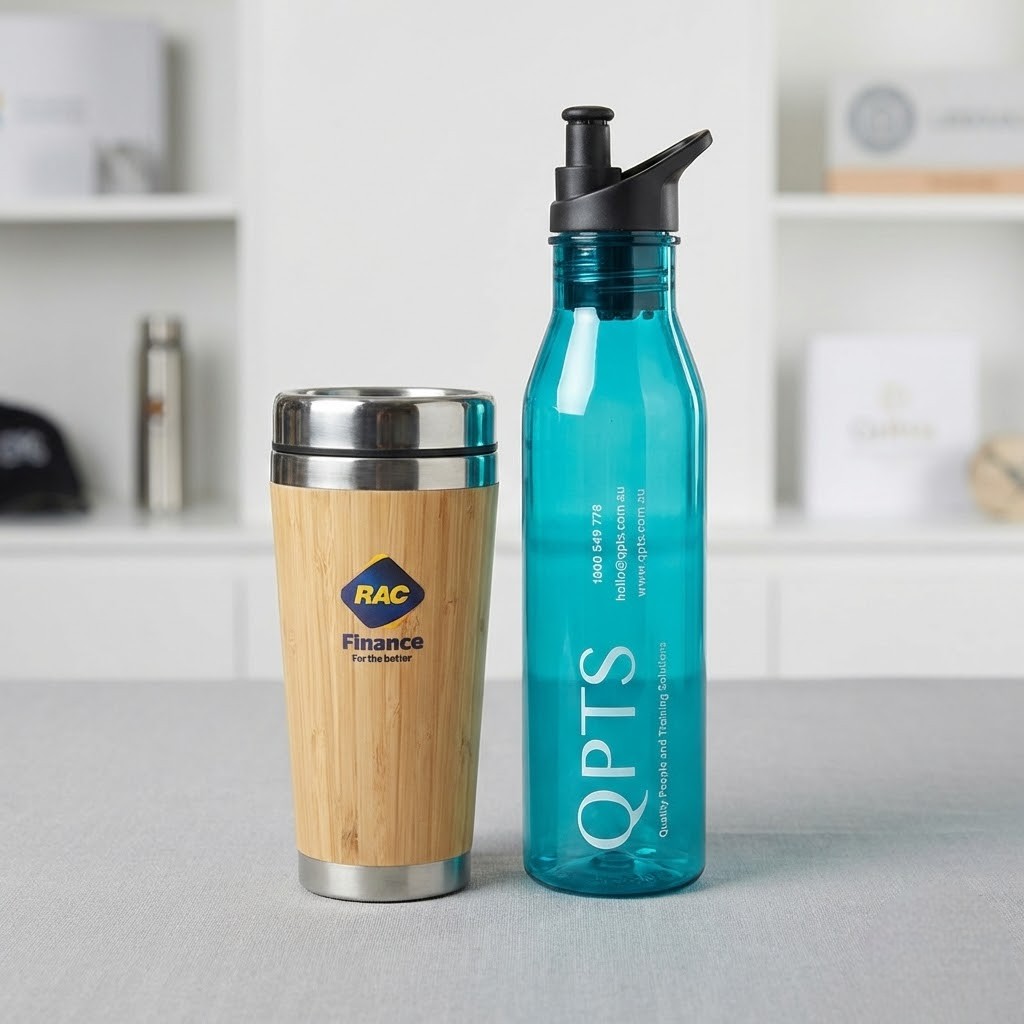
The key question: Will recipients keep and reuse it, and does it align with the brand?
- Will they use it more than once?
- Does it feel good enough to represent the brand?
Where bamboo makes more sense
Bamboo products work best when your goal is to show that your organisation has made a considered, intentional choice rather than just opting for the lowest price.
1.When the audience cares about the “why”
Bamboo is a strong fit for:
- Councils and public-facing programs
- Education institutions
- Not-for-profits
- Sustainability-aligned brands
- Events with an environmental theme
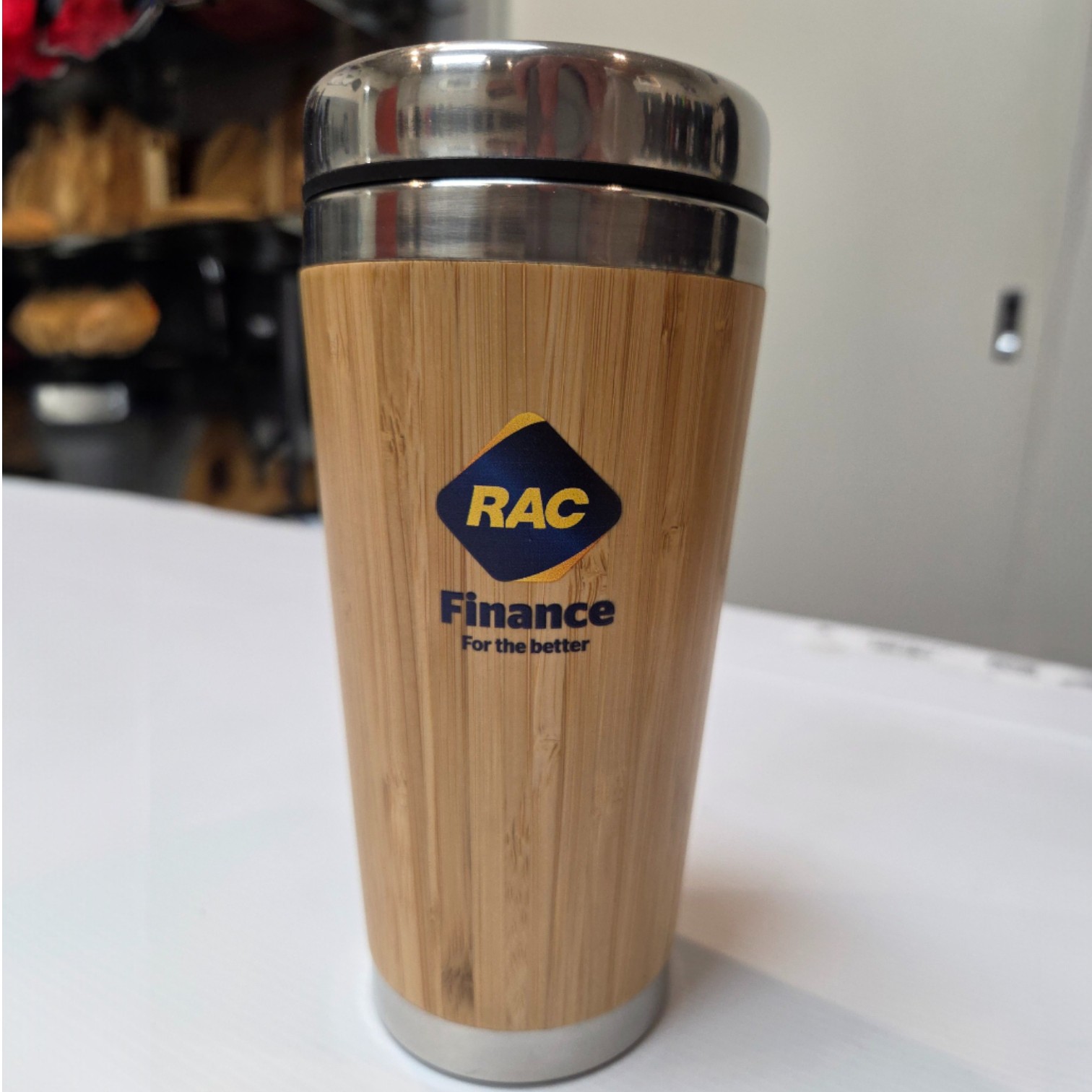
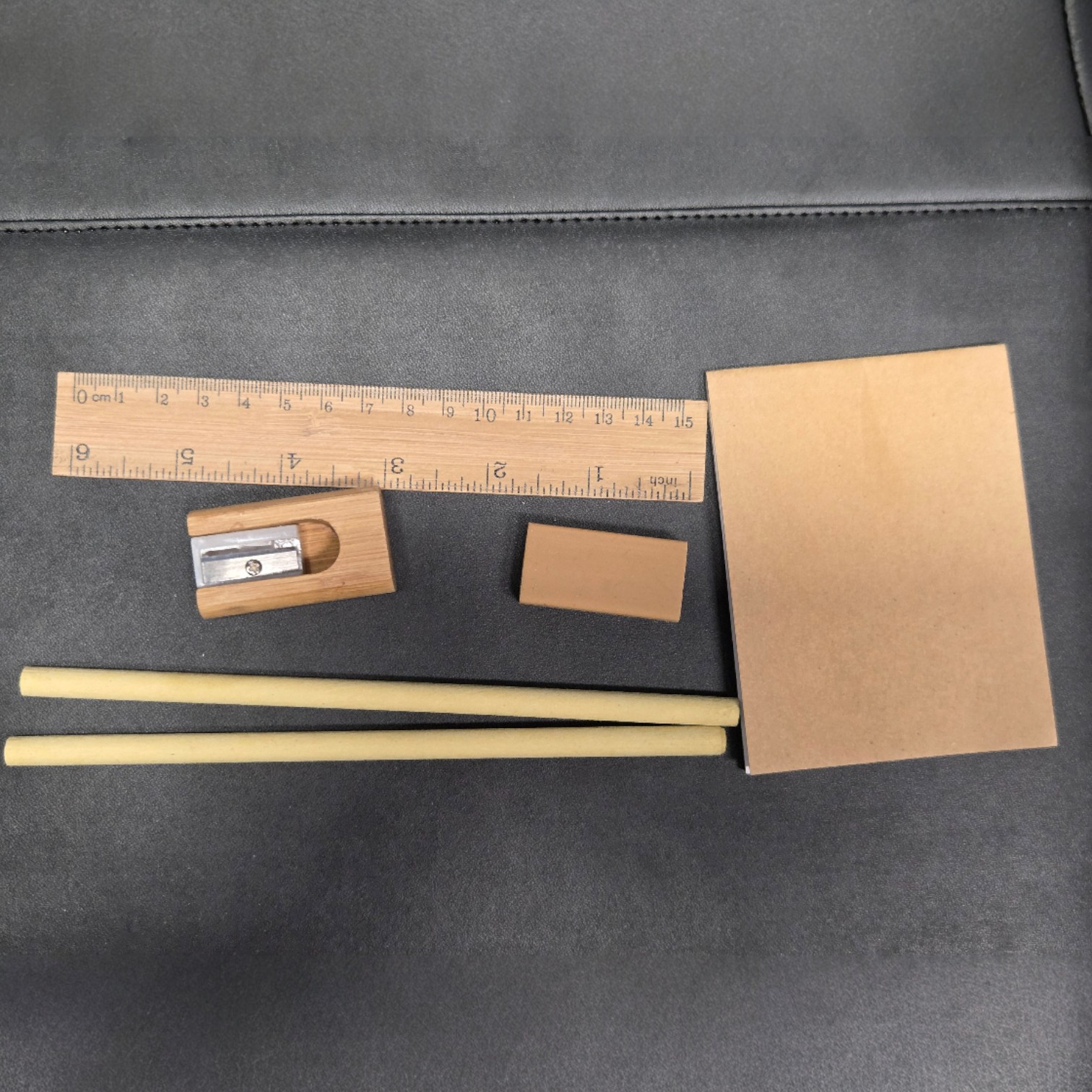
In these settings, bamboo serves not only as a material but also as a component of the overall message.
Shop USB Bamboo Drives here
Shop Bamboo Notebooks here
Shop Bamboo Pens here
2.When touch and feel matter
Bamboo products often feel warmer, more tactile, and more premium than basic plastic alternatives. This distinction is important when items must stand out among many giveaways.
3.When you want a natural look with subtle branding
Bamboo is well-suited to understated branding, such as small logos, clean placement, and intentional designs.
Where bamboo can be the wrong choice
Bamboo is not always the superior choice and can be less practical in certain situations.
1.When the product needs to withstand abuse
If the item will be frequently handled, used outdoors, or subjected to rough treatment, some bamboo products may show wear sooner than expected. Bamboo finishes can scratch, mark, or degrade if not designed for heavy use.
2.When the product is more about performance than optics
If your item needs to be:
- water-resistant
- flexible
- impact-resistant
- suited to harsh environments
Plastic often offers better performance at a comparable price.
3.When you need bright colour and high-impact branding
Bamboo generally does not provide the same visual impact as certain plastics. For vibrant colours, bold branding, or large print areas, plastic typically yields more consistent results.
Where plastic is the smart choice
Plastic remains widely used because it is durable, consistent, and cost-effective, particularly for large-scale needs.
1.When you need functional reliability
For items intended for repeated use due to convenience, plastic may be the best option. The appropriate plastic product can be more durable than a natural alternative, lasting longer and enhancing sustainability in practice.
2.When budgets need to stretch across large quantities
For high-volume event distribution, plastic offers:
- consistent quality
- repeatable colour and branding
- reliable stock availability
- lower unit cost
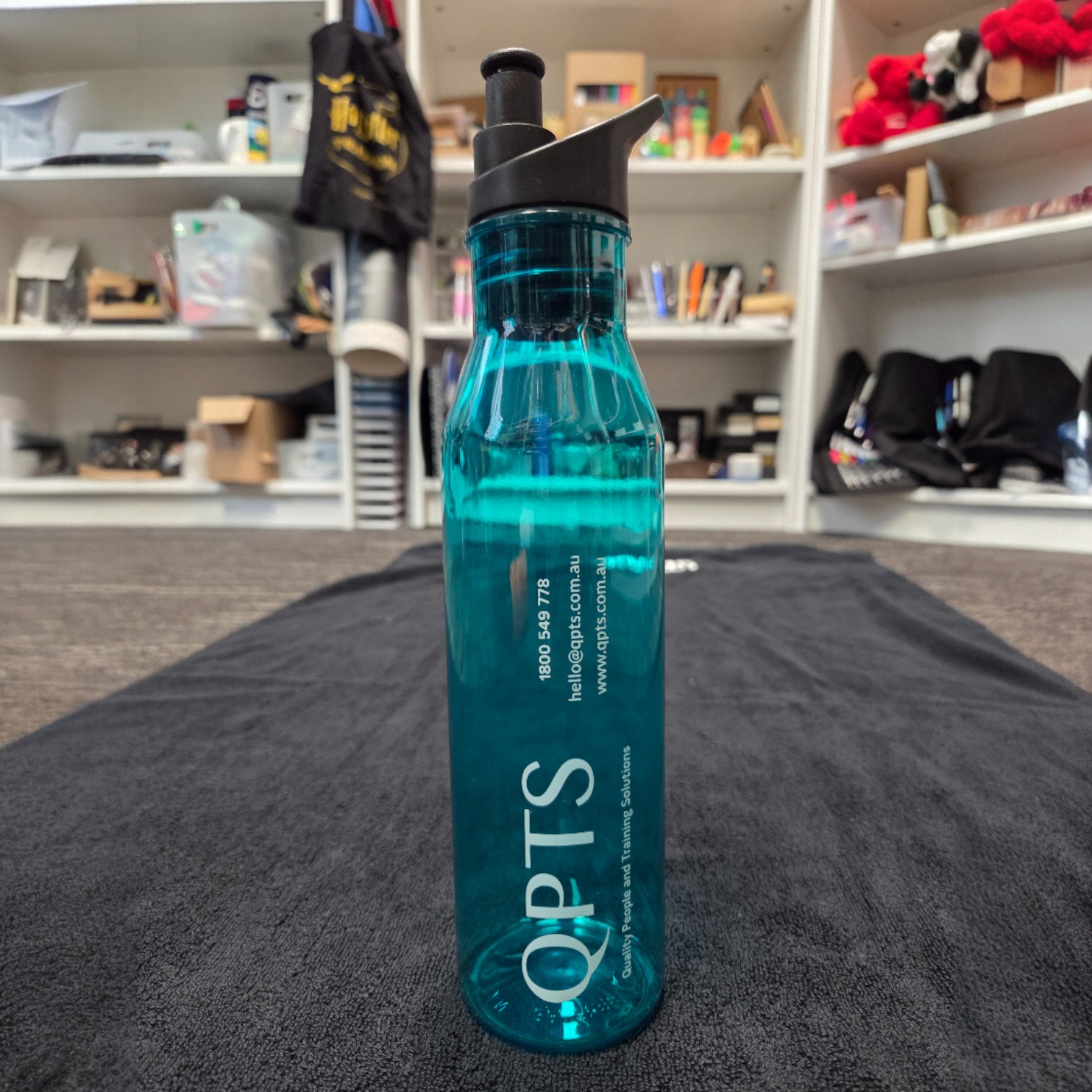

These factors are important for large campaigns, high-traffic events, and broad public distribution.
Shop Plastic Drink Bottles here
Shop Plastic Pens here
Shop Plastic Keyrings here
3.When your audience values practicality over materials
Some audiences prioritise functionality. In trade shows for technical industries, logistics, construction, or fast-paced events, practicality often outweighs sustainability messaging.
Where plastic becomes a brand risk
Plastic is not suitable when it appears cheap, disposable, or inconsistent with the organisation’s values. Low-quality plastic items can quickly undermine brand perception. Recipients typically assess the brand based on the product itself, regardless of the buyer’s intentions.
1.If your organisation’s messaging conflicts with the product
If your organisation is publicly committed to sustainability, community initiatives, or environmental goals, poorly selected plastic items can create brand inconsistency.
A practical decision guide
Use this as a quick reference before choosing bamboo or plastic.
Avoid “eco” as a shortcut
Do not allow “eco” to become a substitute for thoughtful decision-making. A common mistake is treating bamboo as a fix for poor product selection. Bamboo does not solve:
- poor design
- low usability
- awkward branding
- Irrelevant product choice
If the item is not useful, its bamboo label will not improve its value. The same applies to plastic. Plastic does not have to be disposable. Durable plastic items that last for years are often preferable to bamboo items that break early or remain unused.
What Australian buyers are doing more of (and less of)
This shift reflects a broader trend: buyers are evaluated internally based on brand impact and waste, not solely on cost.
The Cubic Promote view
The most effective approach is to select the material most likely to ensure ongoing use, and to confirm the product suits the audience and environment.
- Bamboo is often the better choice when values and perception matter.
- Plastic is often the better choice when performance, reliability, and scale matter.
At Cubic Promote, we assist Australian organisations in making informed decisions by matching material, product type, branding method, and event context to ensure the outcome is effective and well-received.
[team_member image_url=”272549″ team_memeber_style=”meta_below” link_element=”name” color=”Accent-Color” image_size=”thumbnail” name=”Charles Liu” job_position=”Owner” description=”Charles Liu is the Founder and a recognised authority in the promotional products and uniforms industry in Australia. With over 19 years of experience, he has guided Cubic Promote to work with over 15,000 Australian organisations. His specialty is helping Aussie companies select the right products that stay within their budget. He also specialises in sourcing and assisting brands and government agencies in selecting corporate gifts for VIPs and high-profile clients. A regular contributor to industry blogs, Charles shares his expert insights on using branded merchandise to achieve business goals. Charles’s deep understanding of industry trends and strong supplier relationships make him a trusted figure in the sector, continually influencing the development of both products and uniforms that deliver tangible, measurable results.” link_url=”https://www.cubicpromote.com.au/blog/author/charles”]Years of experience[/team_member]