
Corporate Shirts and Uniforms for a Professional Image
Key Points:
- A well-fitted, neat corporate shirt helps you look more professional and feel more confident.
- Simple fixes like removing wrinkles, adjusting fit, and fixing collars can quickly improve your look.
- Adding branding or accessories like embroidery, ties, or cufflinks enhances your overall image.

Corporate shirts and polos are one of the apparel options to outfit your team. This makes them look professional and trustworthy. The shirt does not need complicated styling to look professional. In most cases, a clean fit, neat collar, smooth fabric, and restrained logo embroidery will create a stronger result than adding too many accessories or branding elements.
Start with the fit
The quickest way to improve corporate uniforms is to make sure they fit the wearer properly through the shoulders, chest, sleeves, and waist. A shirt that is too large can bunch around the waist and sleeves. A shirt that is too tight can pull across buttons and restrict movement.
That’s why we always send size charts and offer free samples to brands we’ve worked with before placing the final order. Different team members may also prefer:
- Men’s and women’s fits
- Regular or tailored cuts
- Short or long sleeves
- Stretch fabrics for more active roles
- Easy-care fabrics for frequent wear
Uniforms work better when staff are comfortable enough to wear them properly throughout the day.
Common corporate shirt problems and better fixes
Keep corporate branding restrained
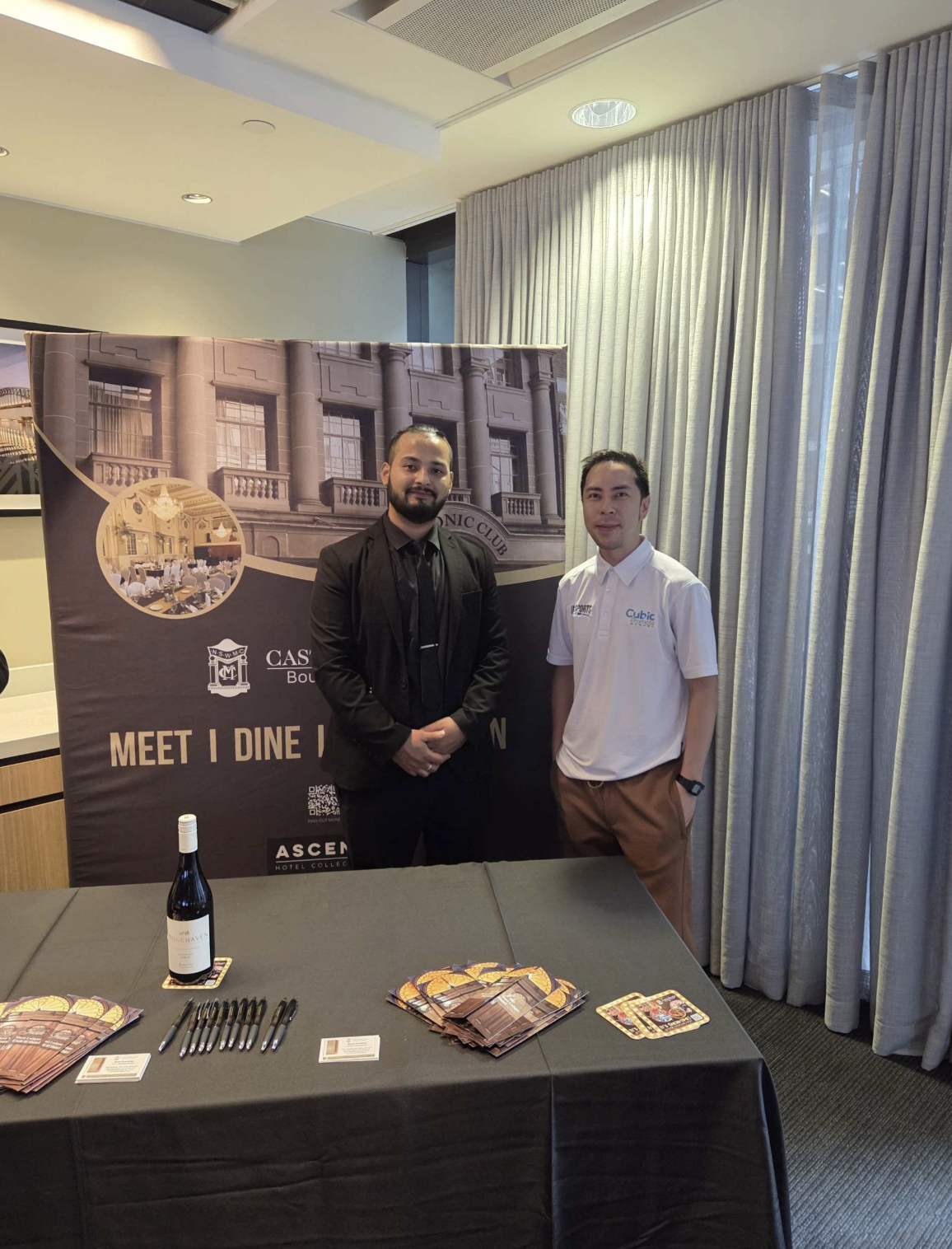
For most business shirts, a small embroidered logo on the left or right chest is enough. Wendy Li, one of our account managers, thinks that embroidery suits corporate shirts because it creates a textured, durable finish that works well with simple company logos and names. Before production, check:
- Logo dimensions
- Thread colours
- Contrast against the shirt
- Whether small text remains readable
- Placement around pockets or seams
- How the embroidery sits on lightweight fabric
Complex logos may need to be simplified. Fine details that look clear on a computer screen can lose definition once converted into embroidery stitches.
Build a uniform, not just a shirt
Corporate shirts look stronger when the rest of the team presentation follows the same system. For example, staff may wear:
- White polo shirts with navy embroidered logos.
- Navy trousers or skirts.
- Matching belts.
- Branded jackets for colder weather.
- Consistent name badges where required.
Accessories such as ties and scarves can work for formal environments, but they should support the uniform rather than compete with it. For most modern workplaces, fewer coordinated pieces will look cleaner than adding branded cufflinks, tie bars, lapel pins and other accessories to every outfit.
Think about the job staff actually perform
A crisp long-sleeve business shirt may suit reception staff, consultants or sales teams. Employees who move between warehouses, vehicles and customer sites may prefer a stretch shirt, polo or another easier-care garment. I suggest you to consider:
- Indoor or outdoor work
- Air-conditioned environments
- Climate
- Physical movement
- Frequency of washing
- Whether staff meet customers
- Whether garments need to work underneath jackets or PPE
Help shirts stay presentable
Follow the garment care label first, particularly once shirts have been embroidered or printed. Simple habits can also help:
- Remove shirts from the washing machine promptly
- Hang them correctly after washing
- Avoid overcrowding wardrobes
- Iron or steam at the recommended temperature
- Store spare shirts on hangers before events
- Treat stains early
- Replace worn or permanently discoloured shirts rather than keeping them in rotation
Consistency matters. One badly faded shirt can stand out when the rest of the team is wearing newer uniforms.
Create a smarter corporate uniform
Professional corporate shirts come down to a few basics: good fit, appropriate fabric, clean branding, and consistent presentation across the team. Speak with our team about shirt styles, sizing, embroidery, and samples before placing your uniform order.