
Promotional Advertising With Physical Products
Key Points:
- IBM and other brands use physical products in ads to make campaigns more engaging.
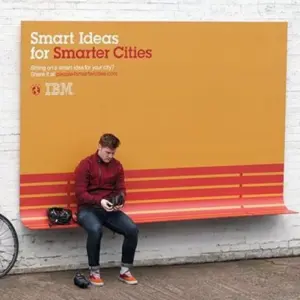
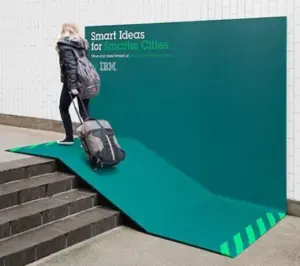
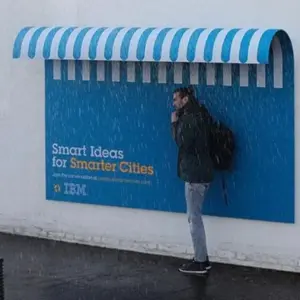
- One example of this is IBM’s “smart cities,” which uses real-world objects in public spaces.
- This shows a move towards more interactive ads that get people’s attention more easily.
It is no secret that reaching the audience that you would like with your advertising is getting harder and harder. The amount of innovation, effort and the sheer amount of saturation in advertising for a product or service has been increasing and it has gone to a point where if your advertising is not smart, witty or emotive then your message gets lost in a sea of other advertising.
Increasingly many advertising agencies are turning to ambient advertising. This means that instead of merely stating a product or a service via a photo along with some text, these advertisements take things one step further and integrate physical objects and the visual space directly around them into the message. The result? Some truly amazing smart advertisements that draw attention to them in a way that ordinarily would not. Here are some of the best examples of this type of advertising that we have seen.
IBM campaign which includes the caption “smart ideas for smart cities”
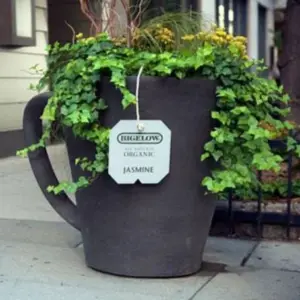
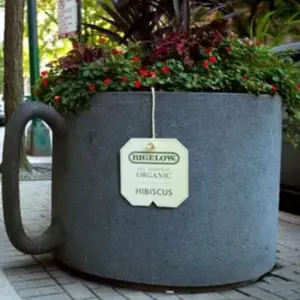
Bieglow Organic Tea
An advertisement billboard by nrdg.org highlighting the dangers of pollution.

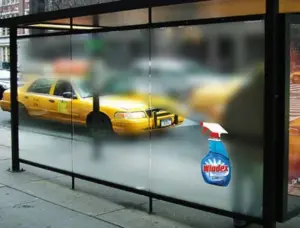
Windex Glass Cleaners
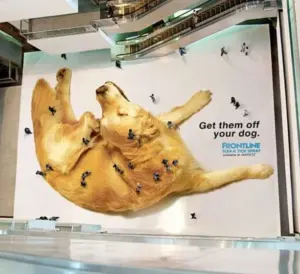
Frontline Flea spray for dogs (in case you missed it the small dots that look like fleas are simply pedestrians inside a mall)
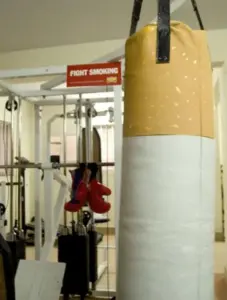
Punching Bags for an Anti-Smoking Campaign
In most of these instances of these brilliant advertisements a physical promotional product was created and used within the space to create an amusing second message and an amusing scene that captures and draws attention to the product or service. These are some brilliant examples of advertisements that use ambient backgrounds. Have you seen any lately that you would like to share? Please let us know via, Twitter | Facebook | Google +. We would love to hear from you.