
Designer Corporate Business Cards: Ideas & Inspiration
Last Updated: 8 September 2026

Business cards may seem less important than a website or pitch deck, but they are often the first thing a potential client or partner physically receives from your organisation. If a card is forgettable, it gets thrown away. A great card, on the other hand, is kept on a desk, put in a wallet, or shared with others. This guide explains how to design business cards that stand out and how to use those ideas well.
Why Business Card Design Still Matters
Even though much networking happens online now, business cards are still common at in-person meetings, trade shows, and client handovers in Australia. A business card is one of the few branded items people actually touch, not just see on a screen. This means the paper, finish, and design really matter. When a card looks well thought out, it shows the organisation cares about details too.
Finishes Worth Considering
The finish of a business card affects how it feels to hold, and that physical impression is more important than many people realise.
Shapes and Materials Beyond the Standard Rectangle
There is no rule that says a business card must be a plain rectangle. Here are some options for organisations looking for something more unique.
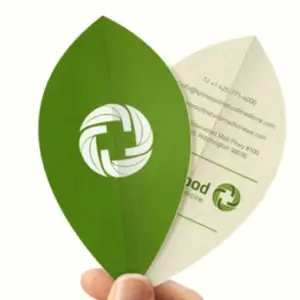
- Die-cut shapes that reflect the industry or brand, cut into a custom silhouette rather than a standard rectangle.
- Thicker card stock for a more substantial, premium feel in hand.
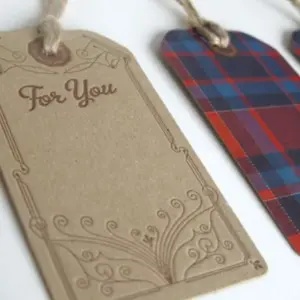
- Swing-tag style cards with a string loop work well for retail or product-based businesses.
- Rounded corners or unusual sizes are small changes that look intentional rather than accidental.
Functional and Interactive Business Cards
Some of the most memorable business cards are also useful, giving people a reason to keep them instead of putting them away.
- A card that folds or turns into a small tool related to the business, like a measuring guide for trades, can be very effective.
- Cards with perforated or die-cut parts can become small keepsakes.
- Adding a QR code that links to a digital portfolio, booking page, or contact details makes it easier for people to access your information without typing it in.
- Cards made from recycled or sustainable materials appeal to organisations that want their printed items to show their environmental values.
The best functional cards relate directly to what the business does, instead of just being clever. A random gimmick is easy to forget, but a design that matches your industry is more memorable.
Colour and Typography Choices
There are a few key principles to follow when designing a card that truly represents your brand.
- Use your current brand colours and fonts instead of designing the card as a separate project.
- Be intentional with contrast, especially if your card has a dark background or a glossy finish.
- Make sure the text is easy to read, because a good-looking card is not useful if people can’t read it.
- Leave enough empty space on the card so it does not look crowded, especially if you add a QR code or extra details.
Alice Borja, one of our account managers, has seen that organisations get the best results when they treat business cards as part of their brand guidelines, not just a one-time creative project. Keeping all printed materials consistent helps build stronger recognition than having just one standout card.
Frequently Asked Questions
Does business card design actually matter in a digital-first world?
Yes. Business cards are still a regular part of in-person networking, and a well-designed card makes a real impression that digital contact details cannot provide.
Yes. Business cards are still a regular part of in-person networking, and a well-designed card makes a real impression that digital contact details cannot provide.
What’s the most cost-effective way to make a card stand out?
Choosing a special finish, like spot UV on a logo, a coloured edge, or using your brand colours, is usually more affordable than a custom-shaped card and still helps your card stand out.
Choosing a special finish, like spot UV on a logo, a coloured edge, or using your brand colours, is usually more affordable than a custom-shaped card and still helps your card stand out.
Should every organisation use a functional or novelty business card?
Not always. Functional designs are best when they clearly relate to the business. For most professional services, a well-made standard card shows more credibility than a gimmick that does not fit.
Not always. Functional designs are best when they clearly relate to the business. For most professional services, a well-made standard card shows more credibility than a gimmick that does not fit.
Are recycled or sustainable business cards a good option?
Yes, especially for organisations that want their printed materials to show their commitment to sustainability, without losing much in quality or durability.
Yes, especially for organisations that want their printed materials to show their commitment to sustainability, without losing much in quality or durability.
Making Your Card Part of a Bigger First Impression
A business card is rarely used on its own. It is usually given during a conversation, a pitch, or a follow-up email, so it should match everything else your organisation shares with clients. Contact our team to discuss design and finish options for your next business card order.