
Fundraising & Charity Merch: A Complete Guide
Last Updated: 23 September 2026
Key Points
- Build two or three price levels so supporters can contribute at different amounts.
- Calculate the full product cost before setting the selling price, including decoration and freight.
- Use past sales to plan stock, then keep reusable items for the next fundraiser if quantities run over.
Fundraising merchandise needs to raise money, not simply display the charity logo. The strongest range gives supporters products they want at prices that leave a worthwhile amount for the cause. Our older fundraising articles also found that familiar products, clear colours and different price levels make the range easier to sell.
How Do You Build a Fundraising Merchandise Range?
Build the range around an entry-level item, a main seller and an optional higher-value product. This gives supporters more than one way to contribute without filling the stall with competing products.
Keep the range small enough for volunteers to explain quickly. Five similar products at almost the same price make the buying decision harder and spread stock across too many lines.
Which Products Work Best for Charity Fundraising?
Wristbands
Wristbands work best as the lowest-priced item because they cost less to produce and remain visible when worn. Silicone styles also support printed, embossed and debossed messages, which makes them useful for cause colours and short campaign names. We would use them for a small donation tier or add them to event registration. Keep the wording short, as long messages become difficult to read around the band.
T-Shirts
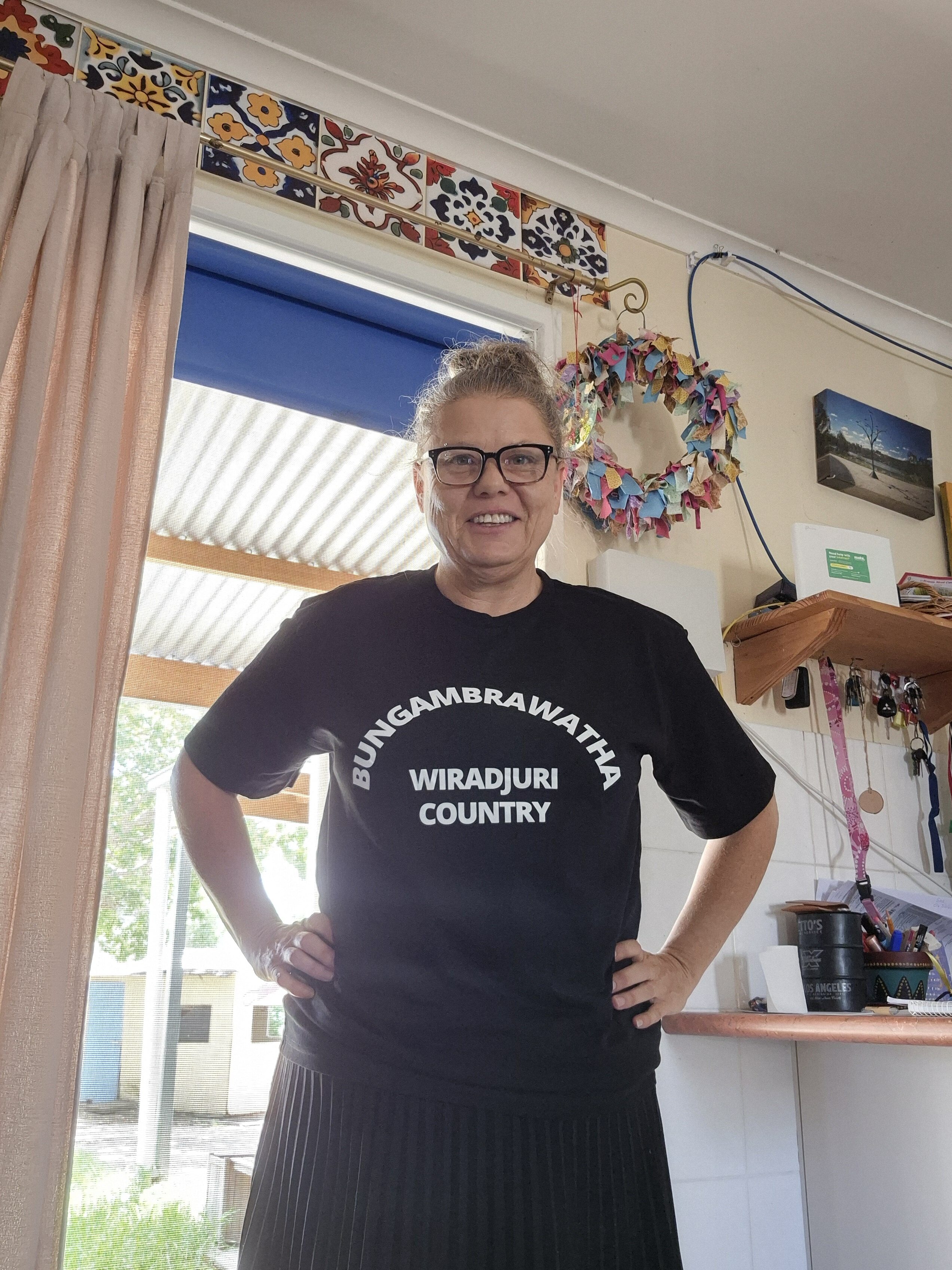
T-shirts work well as the main fundraising item because supporters understand their value and can wear the cause afterwards. They also help charity walks and community events create a recognisable group on the day.
For annual events, keep the core charity identity and change the year, colour or event artwork. Returning supporters then have a reason to buy another shirt instead of reusing last year’s design. Volunteer shirts need a separate colour or clear STAFF or VOLUNTEER marking. That makes the event team easier to find without creating a completely different uniform.
Drink Bottles
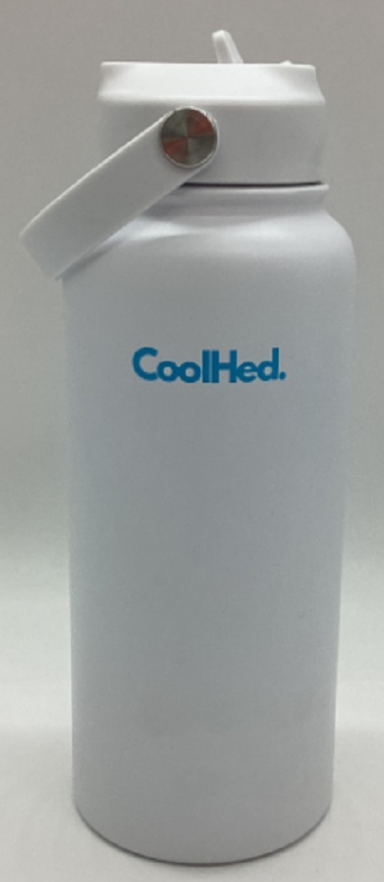
Drink bottles suit the middle or higher price tier because supporters already know what a reusable bottle is worth. They work especially well for charity walks, sporting fundraisers and community events where people need water. A bottle also gives more room for the charity name than a wristband or badge. Keep the logo clear and leave detailed event information for printed material or a QR code.
Umbrellas and Hoodies
Umbrellas and hoodies suit higher contribution levels where the charity can spend more per unit. The survivor article specifically included umbrellas among products with enough apparent value to support fundraising sales. These products need more careful stock planning because each unsold unit ties up more money. Hoodies also introduce sizing, so use previous sales data before ordering a large run.
Ribbons, Badges and Pins
Ribbons, badges and pins work better for awareness than high-margin fundraising. Their main value comes from showing public support for the cause at events, workplaces and community activities. Use these when wide participation matters more than the amount raised from each item. They can also identify volunteers without adding another full uniform piece.
How Do You Price Fundraising Merchandise?
Set the selling price only after calculating the landed cost, including the item, logo decoration and freight. A product costing $4 landed and selling for $10 leaves $6 per sale before other fundraising expenses. The selling price also needs to feel reasonable to the supporter. The original survivor article focused on choosing products that look and feel worth more than their bulk purchase price. That gap gives the charity room to raise money without making the supporter feel overcharged.
We suggest setting the price tiers before finalising the range. A fundraiser could offer a $5 wristband, a $20 T-shirt and a higher-priced hoodie or umbrella. Each level then serves a different supporter budget.
How Much Stock Do You Order?
Use previous sales as the main guide for the next event, then check which products, colours and sizes actually sold. The older fundraising guidance also recommends using past campaign results before estimating a new quantity.
If last year sold 400 T-shirts, do not automatically order 400 with an even size split. Review how many small, medium, large and XL shirts sold, then build the new size mix around those figures. First-time fundraisers need a more conservative approach. Put most of the budget into one main product, with smaller quantities for secondary options. Choose items that can be stored for the next campaign if some remain unsold.
What Does Mary Prefer for Fundraising Merchandise?
Mary Aguirre-Cruz, one of our account managers, personally favours drinkware, notebooks and hoodies, her product expertise centres on matching the item to the client’s branding, budget and purpose.
For a charity campaign, we would use that approach to give every product a clear price level. A drink bottle or hoodie can become the main seller, while wristbands give supporters a lower-cost entry point. Our advice is to decide how much you want to raise per sale before choosing products. If two items contribute almost the same, keep the stronger one and remove the duplicate option.
How Do You Plan Merchandise for Volunteers?
Give volunteers something that clearly identifies them and suits the conditions on event day. T-shirts work for warmer events, while jackets or warmer apparel make more sense in cold weather. The original fundraising guidance specifically warns against giving volunteers clothing that isn’t suitable for the season.
Volunteer merchandise does not need to come from the fundraising stock. Keep those quantities separate so event staff do not reduce the number of products available for sale.
